

B2B marketplace development is the process of building an online platform where businesses can buy and sell products or services from multiple suppliers. It connects manufacturers, wholesalers, distributors, and buyers through a single digital marketplace.
Unlike traditional ecommerce websites, a B2B marketplace supports business-specific features such as bulk ordering, custom pricing, RFQ management, supplier management, and secure payments.
Key features include:
- Multi-vendor management
- Bulk ordering and wholesale pricing
- Custom pricing and RFQ management
- Product and inventory management
- Secure payment integration
- ERP and CRM integration
A well-developed B2B marketplace helps businesses simplify transactions, connect with more buyers, and expand their sales opportunities.
Importance of B2B Marketplace Development
B2B marketplace development helps businesses simplify buying and selling through a centralized online platform. It connects multiple suppliers with business buyers, making transactions faster and more convenient.
Some key benefits include:
- Wider Market Reach: Connect with more buyers, suppliers, and business partners.
- Business Growth: Create new sales opportunities and expand into new markets.
- Cost Efficiency: Reduce manual work and operational expenses.
- Easy Transactions: Simplify bulk orders, payments, and quotation requests.
- Better Supplier Management: Manage multiple vendors through one platform.
- Business Scalability: Support growing product catalogs, vendors, and customers.
A well-built B2B marketplace platform helps businesses improve operational efficiency, strengthen supplier relationships, and build long-term growth opportunities.
7 Best B2B Marketplace Development Companies in 2027
| Company Name | Founded | Best For | Key Services | Platform Expertise |
|---|---|---|---|---|
| FATbit Technologies | 2004 | Wholesale B2B marketplaces | Custom marketplace, multi-vendor solutions | Yo!Kart, Custom Solutions |
| Elogic Commerce | 2015 | Enterprise B2B ecommerce | Ecommerce development, ERP integration | Adobe Commerce, Magento |
| Code Brew Labs | 2013 | Custom marketplace platforms | Web and mobile app development | React, Node.js, Custom Solutions |
| Vaimo | 2008 | Enterprise ecommerce | Digital commerce, platform integration | Adobe Commerce, commercetools |
| McFadyen Digital | 2007 | Enterprise multi-vendor marketplaces | Marketplace strategy, implementation | Mirakl, Adobe Commerce |
| Journeyhorizon | Verify | Marketplace startups | Custom marketplace, MVP development | Sharetribe, Custom Solutions |
| DevsCrew | Verify | Custom B2B marketplaces | Marketplace development, procurement workflows | React, Next.js, Node.js |
1. FATbit Technologies
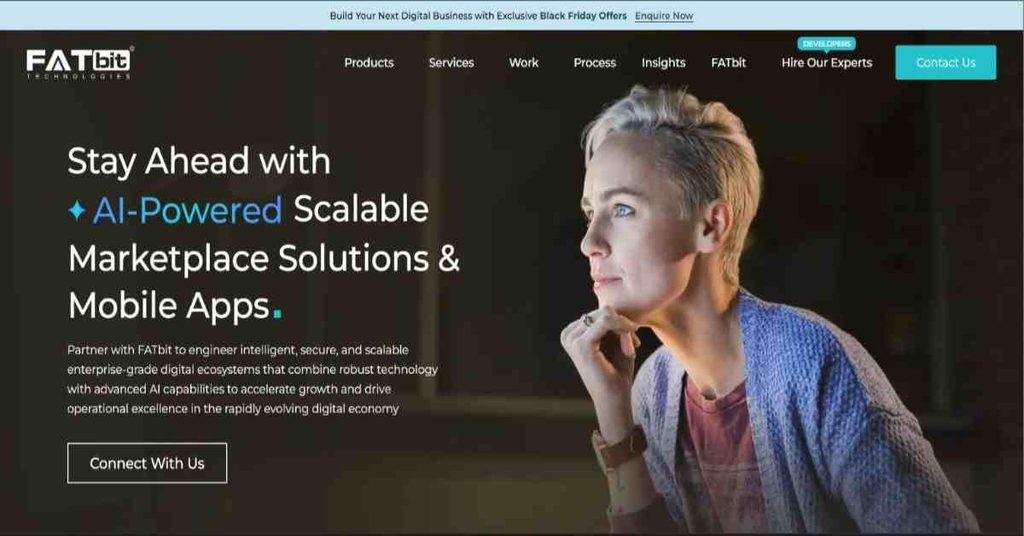
FATbit Technologies is a software development company specializing in custom ecommerce and B2B marketplace solutions. Founded in 2004, the company is headquartered in Mohali, India, and serves businesses across different industries.
Its flagship product, Yo!Kart B2B, helps businesses launch multi-vendor marketplaces with features such as wholesale ordering, supplier management, custom pricing, and RFQ management.
Company Overview:
- Founded: 2004
- Headquarters: Mohali, India
- Industry: Software Development and Ecommerce
- Core Expertise: B2B Marketplace and Multi-Vendor Development
- Flagship Product: Yo!Kart
Key Services:
- B2B marketplace development
- Custom ecommerce development
- Multi-vendor marketplace solutions
- Wholesale marketplace development
- Mobile app development
- UI/UX design and customization
- Third-party API integrations
- Marketplace maintenance and support
Key Features & Technologies:
- Multi-vendor management
- Bulk ordering and custom pricing
- RFQ and quotation management
- Product and inventory management
- Buyer and seller dashboards
- Payment gateway integration
- Custom marketplace functionality
Pros & Cons:
| Pros | Cons |
|---|---|
| Ready-made marketplace solution with customization options | Advanced customization may increase development costs |
| Experience in ecommerce and multi-vendor development | Complex enterprise workflows may require additional development |
| Built-in features can reduce initial development effort | Ready-made solutions may have certain limitations |
| Offers technical support and custom development | Businesses should evaluate integration requirements beforehand |
Why Choose FATbit Technologies?
FATbit Technologies is worth considering for startups, wholesalers, and established businesses looking to build a scalable B2B marketplace using ready-made software or customized development services.
Our Rating: 4.5/5
🔐 Find the Best Password Manager
2. Elogic Commerce
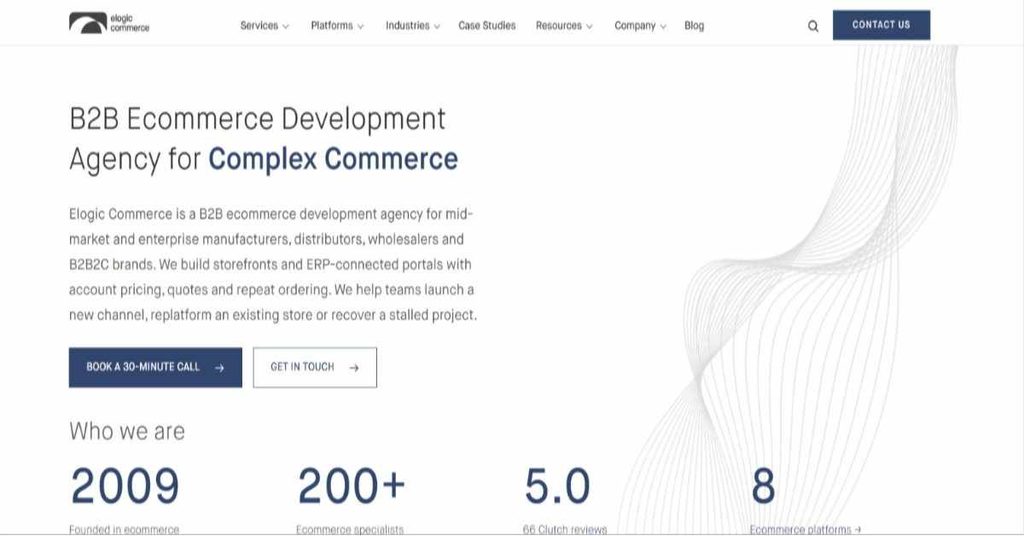
Elogic Commerce is an ecommerce development company that specializes in B2B and B2B2C commerce solutions. Founded in 2009, the company is headquartered in Tallinn, Estonia, and works with manufacturers, distributors, wholesalers, and enterprise businesses.
Elogic Commerce helps businesses build and improve online stores, B2B portals, and multi-vendor marketplaces. Its expertise includes connecting ecommerce platforms with ERP, CRM, and PIM systems to simplify business operations.
Company Overview
- Founded: 2009
- Headquarters: Tallinn, Estonia
- Industry: Ecommerce Development
- Core Expertise: B2B Ecommerce and Marketplace Development
- Team Size: 200+ ecommerce specialists
Key Services
- B2B marketplace development
- Custom ecommerce development
- Multi-vendor marketplace solutions
- B2B and B2B2C portal development
- ERP, CRM, and PIM integration
- Ecommerce platform migration
- UI/UX design and development
- Ongoing maintenance and support
Key Features & Technologies
- Multi-vendor management
- Customer-specific pricing
- RFQ and quotation management
- Purchase approval workflows
- Supplier and vendor portals
- Bulk and repeat ordering
- ERP and CRM integrations
- Adobe Commerce, Shopify Plus, BigCommerce, and commercetools
Pros & Cons
| Pros | Cons |
|---|---|
| Strong experience in B2B ecommerce development | May not be the most budget-friendly option for small startups |
| Expertise in enterprise-level integrations | Complex projects may require longer development timelines |
| Works with multiple leading ecommerce platforms | Businesses need clear project requirements before development |
| Offers custom marketplace and portal solutions | Advanced integrations can increase project costs |
Why Choose Elogic Commerce?
Elogic Commerce is a suitable choice for businesses that need custom B2B marketplace development, enterprise ecommerce solutions, and complex system integrations. Its experience with multiple ecommerce platforms makes it worth considering for manufacturers, wholesalers, and distributors planning to expand their digital sales operations.
Rating: 4.5/5
🚀 Explore SEO Tools for Mac
3. Code Brew Labs
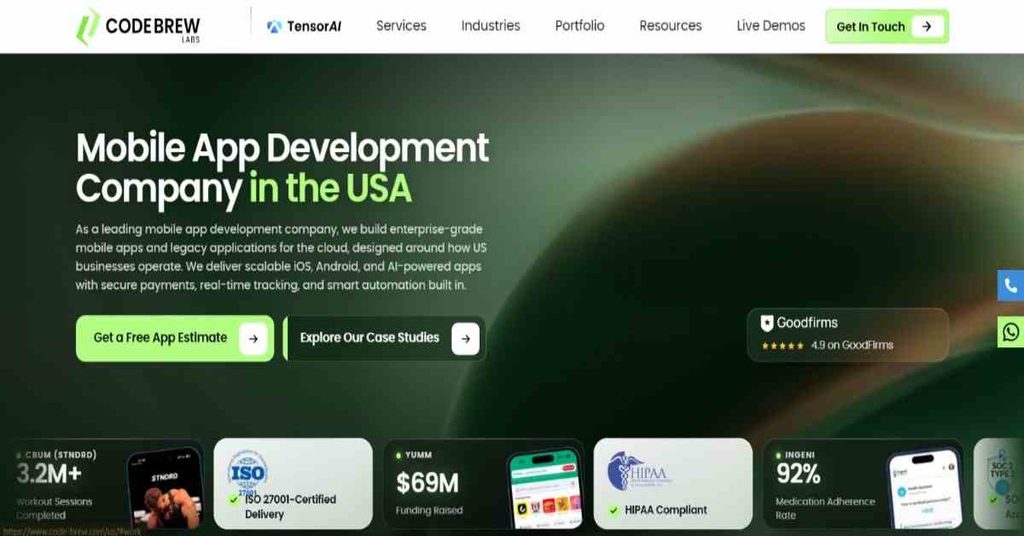
Code Brew Labs is a software development company founded in 2013. Headquartered in Dubai, UAE, it provides custom software, mobile app, and marketplace development services for startups and established businesses.
The company offers custom marketplace solutions and ready-to-use products, helping businesses build digital platforms with features tailored to their business models. Its experience across ecommerce, logistics, and on-demand services makes it a potential choice for businesses planning to launch a B2B marketplace.
Company Overview
- Founded: 2013
- Headquarters: Dubai, UAE
- Industry: Software Development and Digital Solutions
- Core Expertise: Custom Software, Mobile Apps, and Marketplace Development
- Marketplace Offering: Custom and ready-to-use marketplace solutions
Key Services
- Custom B2B marketplace development
- Multi-vendor marketplace development
- Web and mobile app development
- Custom software development
- UI/UX design
- API and third-party integrations
- AI and automation solutions
- Ongoing maintenance and support
Key Features & Technologies
- Multi-vendor marketplace functionality
- Buyer and seller management
- Product and service listings
- Custom marketplace workflows
- Web and mobile platform development
- Payment and API integrations
- React, Node.js, Angular, and MongoDB
Pros & Cons
| Pros | Cons |
|---|---|
| Offers custom marketplace development | B2B-specific features may require custom development |
| Provides web and mobile app solutions | Project costs depend on the required functionality |
| Experience across multiple industries | Businesses should confirm relevant B2B marketplace experience |
| Offers ready-to-use marketplace solutions | Advanced integrations may increase project complexity |
Why Choose Code Brew Labs?
Code Brew Labs is worth considering for businesses looking for custom marketplace development with web and mobile capabilities. Its flexible development services can help companies build platforms around their specific workflows and business requirements.
Rating: 4.3/5
🔍 Compare 6 B2B Development Partners
4. Vaimo
Vaimo is a global digital commerce agency that helps brands, retailers, manufacturers, and businesses build and improve their online commerce platforms. Founded in 2008 in Sweden, the company specializes in B2B ecommerce, enterprise commerce, and digital experience solutions.
Vaimo develops customized commerce ecosystems with features such as account-based pricing, ERP integration, and self-service capabilities. It is a suitable option for businesses looking for scalable and technology-driven B2B commerce solutions.

Company Overview
- Founded: 2008
- Headquarters: Stockholm, Sweden
- Industry: Digital Commerce and Technology
- Core Expertise: B2B Ecommerce and Enterprise Commerce
- Global Presence: More than 15 markets
Key Services
- B2B ecommerce development
- Enterprise ecommerce solutions
- Marketplace commerce solutions
- Ecommerce consulting and strategy
- Custom commerce development
- ERP and PIM integration
- UI/UX and experience design
- Support and optimization services
Key Features & Technologies
- Account-based B2B commerce
- Custom pricing and contract management
- ERP integrations
- Buyer self-service capabilities
- Product information management
- Order management solutions
- Adobe Commerce
- commercetools and headless commerce technologies
Pros & Cons
| Pros | Cons |
|---|---|
| Strong expertise in enterprise digital commerce | May be expensive for small businesses |
| Experience with B2B and manufacturing businesses | Complex projects may require longer implementation |
| Offers ERP and PIM integration services | Not focused exclusively on B2B marketplaces |
| Works with established commerce technologies | Smaller businesses may not need its full range of services |
Why Choose Vaimo?
Vaimo is worth considering for established businesses that need enterprise-level B2B ecommerce development and complex system integrations. Its experience with manufacturers, retailers, and global brands makes it a strong option for businesses planning to modernize their digital commerce operations.
Rating: 4.5/5
5. McFadyen Digital
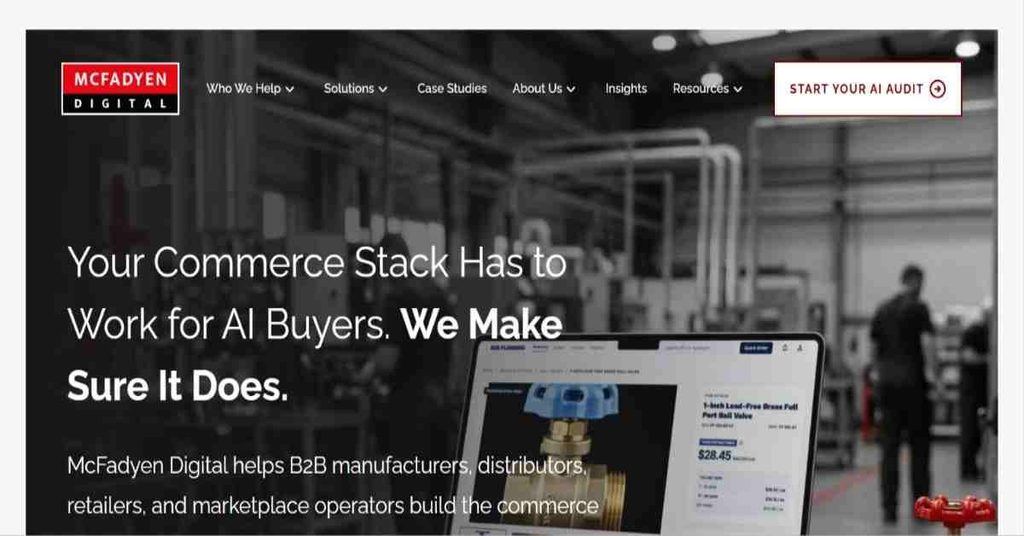
McFadyen Digital is a digital commerce consulting and development company specializing in B2B ecommerce and enterprise marketplace solutions. Founded in 1987, the company is headquartered in Vienna, Virginia, USA, and works with manufacturers, distributors, wholesalers, and large enterprises.
The company helps businesses build and modernize digital commerce platforms, including multi-vendor marketplaces. Its expertise includes marketplace strategy, platform implementation, and integration with ERP, CRM, PIM, and order management systems.
Company Overview
- Founded: 1987
- Headquarters: Vienna, Virginia, USA
- Industry: Digital Commerce and Technology Consulting
- Core Expertise: B2B Ecommerce and Enterprise Marketplace Development
- Specialization: Complex commerce and marketplace solutions
Key Services
- B2B marketplace development
- Enterprise ecommerce development
- Marketplace strategy and consulting
- Multi-vendor marketplace implementation
- ERP, CRM, and PIM integration
- Commerce platform modernization
- Custom buyer portal development
- Ongoing support and optimization
Key Features & Technologies
- Multi-vendor marketplace management
- Account-based and contract pricing
- RFQ and quote management
- Bulk ordering and purchasing workflows
- Buyer and supplier portals
- ERP and order management integration
- Adobe Commerce
- Mirakl and composable commerce technologies
Pros & Cons
| Pros | Cons |
|---|---|
| Strong experience in enterprise B2B commerce | May not suit businesses with very limited budgets |
| Expertise in complex marketplace implementations | Projects can require significant planning |
| Supports ERP, PIM, and other business integrations | Implementation costs may increase with customization |
| Offers marketplace strategy and technical services | May be more than smaller businesses need |
Why Choose McFadyen Digital?
McFadyen Digital is a strong option for established businesses that need enterprise-grade B2B marketplace development and complex integrations. Its experience with manufacturers and distributors makes it suitable for organizations looking to modernize procurement, streamline operations, and scale digital commerce.
Rating: 4.7/5
6. Journeyhorizon
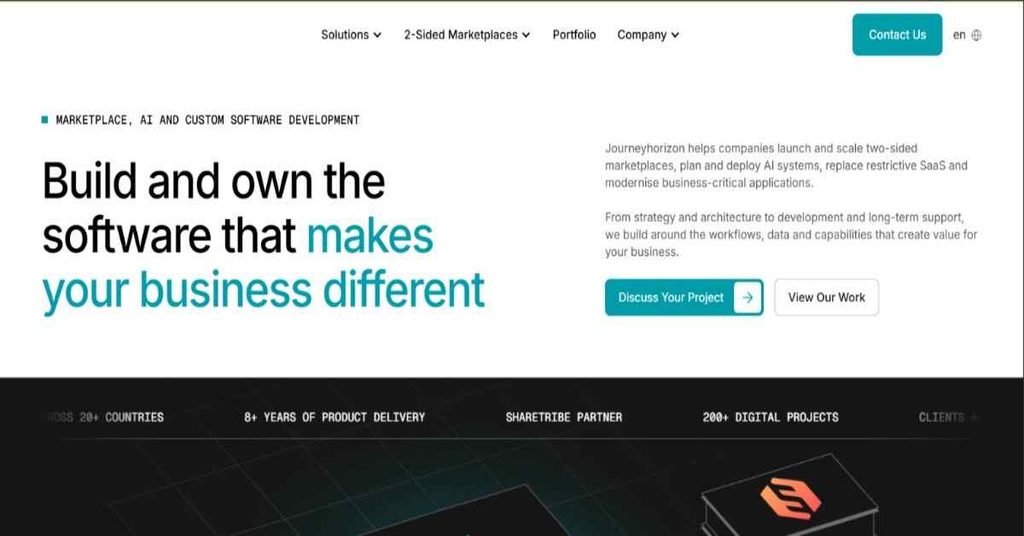
Journeyhorizon is a marketplace development company that helps startups and established businesses build, launch, and scale online marketplaces. Founded in 2018, the company has Australian business leadership and an engineering team based in Vietnam.
It specializes in two-sided marketplace development, including B2B, rental, service, and ecommerce platforms. Journeyhorizon also offers Sharetribe development, custom applications, mobile solutions, and marketplace growth services.
Company Overview
- Founded: 2018
- Locations: Canberra, Australia, and Ho Chi Minh City, Vietnam
- Industry: Software Development and Marketplace Solutions
- Core Expertise: B2B and Two-Sided Marketplace Development
- Specialization: Custom Marketplace and Sharetribe Development
Key Services
- B2B marketplace development
- Custom marketplace development
- Sharetribe development and customization
- Marketplace mobile app development
- Marketplace plugins and integrations
- Marketplace migration and modernization
- Custom web application development
- Marketplace maintenance and support
Key Features & Technologies
- Buyer and seller management
- Multi-vendor marketplace workflows
- Product and service listings
- Marketplace payment integrations
- Custom plugins and integrations
- Mobile marketplace applications
- Sharetribe
- React, Node.js, AWS, and Flutter
Pros & Cons
| Pros | Cons |
|---|---|
| Strong specialization in marketplace development | May not be ideal for businesses seeking only ready-made software |
| Experience with Sharetribe and custom platforms | Complex enterprise requirements may need additional customization |
| Offers web and mobile marketplace solutions | Businesses should evaluate platform scalability before choosing a solution |
| Provides ongoing support and marketplace growth services | Project costs depend on the required features and integrations |
Why Choose Journeyhorizon?
Journeyhorizon is worth considering for businesses that want a marketplace-focused development partner. Its experience with Sharetribe, custom development, and B2B marketplace projects makes it a suitable option for companies looking to launch or modernize a multi-vendor platform.
Rating: 4.4/5
7. DevsCrew
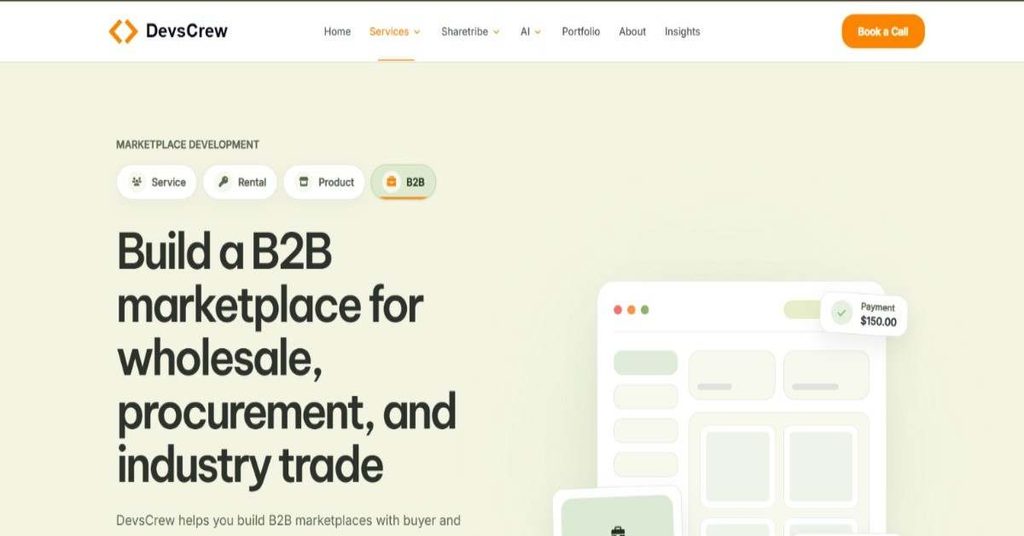
DevsCrew is a product development and software engineering company specializing in B2B marketplace development, custom marketplaces, mobile apps, and SaaS platforms. The company helps startups and growing businesses build digital platforms with customized workflows, payment systems, and third-party integrations.
Its marketplace expertise includes Sharetribe development and custom-built solutions for B2B, ecommerce, rental, and service marketplaces. DevsCrew also provides web and mobile development to support businesses as their platforms grow.
Company Overview
- Founded: 2023 (as listed on LinkedIn)
- Headquarters: Chandigarh, India
- Industry: Software Development and Digital Products
- Core Expertise: B2B Marketplace and Custom Marketplace Development
- Specialization: Sharetribe and Custom Marketplace Solutions
Key Services
- B2B marketplace development
- Custom multi-vendor marketplace development
- Sharetribe development and customization
- Web and mobile app development
- Marketplace payment integration
- UI/UX design and product strategy
- API and third-party integrations
- Marketplace maintenance and support
Key Features & Technologies
- Buyer and seller management
- Custom marketplace workflows
- Product and service listings
- Search and filtering functionality
- Payment processing and seller payouts
- Messaging, booking, and transaction management
- React, Next.js, Node.js, and React Native
- Sharetribe, Stripe, PayPal, and PostgreSQL
Pros & Cons
| Pros | Cons |
|---|---|
| Specialized experience in marketplace development | May require custom work for complex enterprise B2B needs |
| Offers both Sharetribe and custom marketplace solutions | Businesses should assess platform scalability before choosing a solution |
| Provides web and mobile app development | Project costs depend on features and integrations |
| Supports payment systems and third-party integrations | Not exclusively focused on B2B marketplaces |
Why Choose DevsCrew?
DevsCrew is worth considering for businesses looking for a marketplace-focused development partner. Its experience with Sharetribe, custom marketplace workflows, and payment integrations can help companies build platforms suited to their business models.
Rating: 4.3/5
How to Choose the Right Company?
Before selecting a development partner, consider these important factors:
- Business Requirements: Choose a company with experience in your industry and marketplace business model.
- Technical Expertise: Check its experience with marketplace platforms, integrations, and custom technologies.
- Scalability: Make sure the solution can support more vendors, buyers, products, and transactions as your business grows.
- Budget: Compare development costs, customization needs, and ongoing maintenance expenses.
- Support: Look for a company that provides reliable technical support after launch.
The right development partner should understand your business model and provide a scalable B2B marketplace solution that supports your long-term goals.
Key Services Offered by B2B Marketplace Development Companies
B2B marketplace development companies offer different services to help businesses build, launch, and manage online marketplaces. These services cover everything from planning and design to development, integration, and ongoing support.
Here are some key services to consider:
1. Custom B2B Marketplace Development
Companies build marketplace platforms based on specific business requirements. Custom development allows businesses to create unique workflows, pricing models, vendor systems, and purchasing experiences.
2. Multi-Vendor Marketplace Development
This service helps businesses manage multiple suppliers and sellers through one platform. It includes vendor registration, product listings, seller dashboards, commission management, and order tracking.
3. B2B Ecommerce Website Development
Development companies create ecommerce websites that support business-to-business transactions. These platforms often include bulk ordering, wholesale pricing, customer accounts, and repeat purchasing.
4. UI/UX Design and Development
A simple and user-friendly interface makes it easier for buyers and suppliers to use the marketplace. Companies design responsive layouts, easy navigation, product pages, and personalized dashboards.
5. Third-Party API Integration
API integration connects the marketplace with external tools and services. Common integrations include payment gateways, shipping providers, ERP systems, CRM platforms, and inventory management software.
6. Mobile App Development
Some companies develop Android and iOS marketplace apps so buyers and sellers can manage products, orders, payments, and business activities from their mobile devices.
7. Marketplace Migration and Modernization
Businesses with existing platforms can migrate to newer technologies or upgrade their marketplace features. This helps improve performance, security, scalability, and user experience.
8. Maintenance and Technical Support
After launch, development companies provide updates, bug fixes, security improvements, performance monitoring, and technical support to keep the marketplace running smoothly.
Choosing a company that offers the right combination of these services helps businesses build a reliable, scalable, and feature-rich B2B marketplace.
Essential Features of a B2B Marketplace
A successful B2B marketplace needs the right features to make business transactions simple, secure, and efficient. Important features include:
- Multi-Vendor Management: Allows multiple suppliers to register, manage profiles, upload products, and handle orders from one platform.
- Bulk Ordering and Wholesale Pricing: Supports large orders, quantity-based discounts, and special wholesale prices.
- RFQ and Quotation Management: Enables buyers to request product quotes and suppliers to submit customized offers.
- Custom Pricing and Negotiation: Supports customer-specific prices, negotiated rates, and contract-based discounts.
- Advanced Product Search and Filtering: Helps buyers find products by category, price, supplier, brand, and availability.
- Secure Payment Options: Supports payment gateways, bank transfers, credit terms, and other business payment methods.
- Order and Inventory Management: Helps suppliers track stock levels, purchase orders, order status, and deliveries.
- Buyer and Supplier Dashboards: Provides separate dashboards to manage purchases, products, quotations, and sales.
- ERP and CRM Integration: Connects the marketplace with business systems to synchronize orders, inventory, and customer information.
- Reviews and Ratings: Allows buyers to share feedback about products and suppliers, building trust among marketplace users.
Including these features helps businesses create a secure, user-friendly, and scalable B2B marketplace that supports smooth transactions and long-term growth.
Popular Technologies Used for B2B Marketplace Development
Choosing the right technology is important for building a secure, scalable, and high-performing B2B marketplace. Development companies use different programming languages, frameworks, databases, and ecommerce platforms based on business requirements.
Popular technologies include:
- Frontend Technologies: React.js, Angular, and Vue.js help create responsive and user-friendly marketplace interfaces.
- Backend Technologies: Node.js, Python, PHP, and Java support business logic, order processing, and marketplace operations.
- Database Technologies: MySQL, PostgreSQL, and MongoDB help store product details, customer information, orders, and transaction data.
- Ecommerce Platforms: Adobe Commerce, Shopify Plus, and commercetools provide tools for building and managing B2B ecommerce experiences.
- Marketplace Software: Yo!Kart, Sharetribe, and Mirakl help businesses launch and manage multi-vendor marketplace platforms.
- Cloud Hosting: AWS, Microsoft Azure, and Google Cloud provide hosting, storage, and infrastructure for scalable marketplace applications.
- Payment Integration: Stripe, PayPal, and other payment gateways support secure online transactions.
- API Integration: REST APIs and GraphQL connect the marketplace with ERP, CRM, shipping, and inventory management systems.
The right technology stack depends on your marketplace size, business model, budget, and future growth plans. Working with an experienced B2B marketplace development company can help you select technologies that meet your business needs.
Add a technology selection tableExplain when to choose each technology
Custom B2B Marketplace vs. Ready-Made Marketplace Software
Businesses can build a B2B marketplace using custom development or ready-made marketplace software. The right option depends on your budget, business requirements, customization needs, and growth plans.
- Custom B2B Marketplace: Built from scratch according to specific business needs. It offers greater flexibility, custom workflows, unique features, and control over the platform.
- Ready-Made Marketplace Software: Uses pre-built marketplace solutions with existing features. It helps businesses launch faster and can reduce initial development effort and costs.
Key Differences
| Comparison Factor | Custom B2B Marketplace | Ready-Made Marketplace Software |
|---|---|---|
| Development Time | Usually takes longer | Generally faster to launch |
| Initial Cost | Usually higher | Often more affordable |
| Customization | High flexibility | Limited by software capabilities |
| Features | Built according to business needs | Includes pre-built features |
| Scalability | Can be designed for specific growth needs | Depends on the software and its architecture |
| Maintenance | Requires dedicated technical support | May include vendor support |
| Integrations | Can support custom integrations | Depends on available integrations |
| Ownership and Control | Greater control over the platform | Depends on the software license |
Which Option Should You Choose?
Choose custom B2B marketplace development if your business needs unique workflows, advanced integrations, or complete control over platform functionality.
Choose ready-made marketplace software if you want to launch quickly, manage development costs, and use existing marketplace features.
Both options can support business growth. The best choice depends on your current requirements, available budget, and long-term marketplace goals.
B2B Marketplace Development Process
Building a B2B marketplace involves several stages, from initial planning to final deployment and ongoing maintenance. A professional development company follows a structured process to create a platform that meets business goals and user requirements.
| Development Stage | Description |
|---|---|
| Requirement Analysis | Understand business goals, target audience, marketplace model, features, and budget. |
| Market Research and Planning | Research competitors, identify opportunities, and prepare a development strategy. |
| UI/UX Design | Create wireframes and user-friendly designs for buyers, suppliers, and administrators. |
| Technology Selection | Choose suitable programming languages, frameworks, databases, and marketplace software. |
| Marketplace Development | Build core features such as vendor management, product listings, bulk ordering, RFQ, and payments. |
| Third-Party Integration | Connect ERP, CRM, payment gateways, shipping providers, and inventory systems. |
| Testing and Quality Assurance | Check functionality, security, performance, and compatibility across devices. |
| Launch and Deployment | Deploy the marketplace and make it accessible to buyers and suppliers. |
| Maintenance and Support | Monitor performance, fix issues, improve security, and add features as the business grows. |
Following these stages helps businesses build a secure, scalable, and user-friendly B2B marketplace that supports long-term growth.
Benefits of Hiring a Professional B2B Marketplace Development Company
Hiring a professional B2B marketplace development company helps businesses build and manage an online platform with the right technology and features. Experienced developers can simplify the development process and create solutions that support business growth.
Key benefits include:
- Technical Expertise: Get access to experienced developers who understand marketplace architecture, ecommerce platforms, and business integrations.
- Customized Solutions: Build a marketplace with features and workflows that match your specific business requirements.
- Faster Development: Save time with an experienced team and an organized development process.
- Better User Experience: Create easy-to-use interfaces for buyers, suppliers, and administrators.
- Scalability: Develop a platform that can support more vendors, products, customers, and transactions.
- Third-Party Integrations: Connect your marketplace with ERP, CRM, payment, shipping, and inventory systems.
- Security and Reliability: Implement security measures, testing, and performance improvements to protect marketplace operations.
- Ongoing Support: Get maintenance, updates, troubleshooting, and technical assistance after launch.
Working with the right development partner helps businesses create a reliable B2B marketplace platform while saving time, reducing technical challenges, and focusing on core business activities.
Common Challenges in B2B Marketplace Development
Developing a B2B marketplace comes with several technical and operational challenges. Businesses need to address these issues to create a smooth buying and selling experience.
Some common challenges include:
- Complex Pricing Structures: Managing bulk discounts, customer-specific prices, and negotiated rates can be difficult. A flexible pricing system helps handle different business requirements.
- Vendor Management: Managing multiple suppliers, product catalogs, and orders requires an organized vendor management system.
- Payment and Transaction Security: Protecting sensitive business and payment information is essential. Secure payment gateways and proper security measures help reduce risks.
- ERP and CRM Integration: Connecting different business systems can be complex. Proper API integration helps synchronize orders, inventory, and customer data.
- Inventory Management: Keeping stock information accurate across multiple suppliers can be challenging. Real-time inventory synchronization helps prevent order issues.
- Scalability and Performance: More buyers, sellers, products, and transactions can affect platform performance. Scalable infrastructure helps support business growth.
- User Experience: Different users have different needs and workflows. Simple navigation and user-friendly dashboards make marketplace operations easier.
- Building Buyer and Supplier Trust: Attracting reliable suppliers and business buyers takes time. Supplier verification, reviews, and transparent policies help build trust.
Working with an experienced B2B marketplace development company can help businesses address these challenges through proper planning, suitable technologies, and customized solutions.
Frequently Asked Questions (FAQs)
1. What is a B2B marketplace development company?
A B2B marketplace development company builds online platforms that connect businesses with suppliers, manufacturers, wholesalers, and distributors. It provides services such as custom development, multi-vendor solutions, integrations, and ongoing support.
2. How much does B2B marketplace development cost?
The cost depends on platform complexity, features, design, integrations, and technology. A basic marketplace may cost less, while an enterprise-level platform with advanced workflows requires a larger investment.
3. How long does it take to develop a B2B marketplace?
Development time depends on the project scope and required functionality. A basic platform may take a few months, while a complex enterprise marketplace can take longer.
4. What features should a B2B marketplace have?
Essential features include multi-vendor management, bulk ordering, wholesale pricing, RFQ management, secure payments, inventory management, buyer and supplier dashboards, and ERP integration.
5. Which technology is best for B2B marketplace development?
The best technology depends on business requirements. Popular options include React, Node.js, Python, Adobe Commerce, Shopify Plus, and marketplace solutions such as Yo!Kart and Sharetribe.
6. What is the difference between B2B and B2C marketplaces?
A B2B marketplace connects businesses with other businesses, while a B2C marketplace connects businesses directly with individual consumers. B2B platforms commonly support bulk orders, custom pricing, and business purchasing workflows.
7. Can I build a B2B marketplace using ready-made software?
Yes. Solutions such as Yo!Kart, Sharetribe, and other marketplace platforms provide pre-built functionality. Businesses can customize these solutions based on their requirements.
8. How do I choose the best B2B marketplace development company?
Compare companies based on their marketplace experience, technical expertise, portfolio, client reviews, pricing, customization capabilities, and post-launch support. Choose a partner that understands your business model and long-term goals.
9. Is a B2B marketplace profitable?
Yes. A B2B marketplace can generate revenue through transaction commissions, subscription plans, listing fees, premium vendor services, and advertising. Profitability depends on the business model, market demand, and platform growth.
10. Can a B2B marketplace integrate with ERP and CRM systems?
Yes. A B2B marketplace can integrate with ERP and CRM systems to synchronize product information, inventory, customer records, orders, and payments. These integrations help automate business operations and reduce manual work.