

Choosing the right Top AI Website Builders can make website creation easier, even without coding skills. In this guide, we explore five popular AI website builders: Wix, Hostinger, Shopify, Squarespace and Webflow. Compare their features, AI tools, pricing, customization options and pros and cons. We also explain how AI website builders work, compare them with traditional website builders and help you choose the right platform for your needs.
What Are AI Website Builders?
Top AI Website Builders are platforms that use artificial intelligence to make website creation easier and faster. Users can describe their website requirements, choose a design style and use AI tools to generate website layouts, content and design suggestions.
The five popular platforms discussed in this article are Wix, Hostinger, Shopify, Squarespace and Webflow. They offer different tools for website creation, content generation, design assistance and online store management. These platforms are useful for beginners, freelancers, designers and businesses that want to build websites with less manual work.
AI Website Builders Comparison Table
Compare the five website builders based on their AI features, pricing options and ideal uses.
| Website Builder | AI Features | Pricing Options | Best For |
| Wix | AI website creation, content generation and design assistance | Free and Paid Plans | Beginners and Small Businesses |
| Hostinger | AI website generation, AI writing and image tools | Paid Plans | Budget-Friendly Websites |
| Shopify | AI product descriptions, content generation and store assistance | Paid Plans | eCommerce Businesses |
| Squarespace | AI website creation and content assistance | Paid Plans and Free Trial | Professional Websites |
| Webflow | AI-assisted website building, content and design tools | Free and Paid Plans | Designers and Developers |
Note: AI features and pricing may vary depending on the platform and subscription plan.
Top 5 AI Website Builders in 2026: Detailed Reviews
1. Wix – Best Overall Website Builder
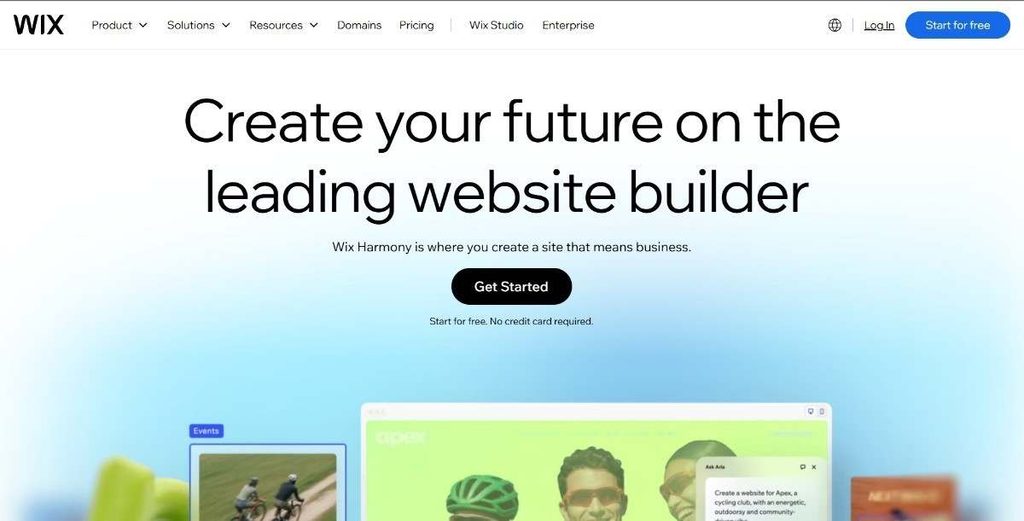
- Platform Overview: Wix is an all-in-one website builder that helps users create professional websites without coding.
- Key Features: Drag-and-drop editor, AI website builder, ready-made templates, blogging and eCommerce tools.
- Ease of Use: Easy for beginners with a simple visual editor.
- Customization Options: Customize website layouts, fonts, colors, images and page sections.
- SEO and Marketing Tools: SEO settings, email marketing, social media integrations and website analytics.
- Pricing: Offers a free plan and multiple paid plans.
- Customer Support: Provides tutorials, a Help Center and customer support options.
- Best For: Beginners, freelancers, startups and small businesses.
- Pros and Cons: Pros: Easy to use, attractive templates and useful business tools. Cons: Premium plans can be expensive and template changes are limited.
2. Hostinger – Best Budget-Friendly Website Builder

- Platform Overview: Hostinger is an affordable website builder that combines website creation, hosting and AI tools.
- Key Features: AI website builder, drag-and-drop editor, templates, SEO tools and eCommerce features.
- Ease of Use: Simple dashboard and beginner-friendly editing tools.
- Customization Options: Customize website layouts, fonts, colors, images and sections.
- SEO and Marketing Tools: SEO settings, AI content tools, analytics integrations and marketing features.
- Pricing: Offers paid plans with promotional discounts.
- Customer Support: Provides 24/7 customer support, tutorials and a knowledge base.
- Best For: Beginners, freelancers, startups and small businesses.
- Pros and Cons: Pros: Affordable plans, AI tools and included hosting. Cons: Fewer advanced customization options than some competitors.
3. Shopify – Best Website Builder for eCommerce

- Platform Overview: Shopify is an eCommerce platform that helps businesses create online stores and sell products.
- Key Features: Product management, inventory tracking, payment processing, order management and store themes.
- Ease of Use: Easy-to-manage dashboard with tools for online store owners.
- Customization Options: Customize store themes, product pages, layouts and storefront designs.
- SEO and Marketing Tools: SEO settings, email marketing, discount codes, social media selling and analytics.
- Pricing: Offers paid subscription plans with different business features.
- Customer Support: Provides customer support, help guides and community resources.
- Best For: Online sellers, eCommerce startups, retailers and growing businesses.
- Pros and Cons: Pros: Powerful selling tools, secure checkout and inventory management. Cons: Monthly costs, possible transaction-related fees and additional app expenses.
4. Squarespace – Best for Professional Website Designs
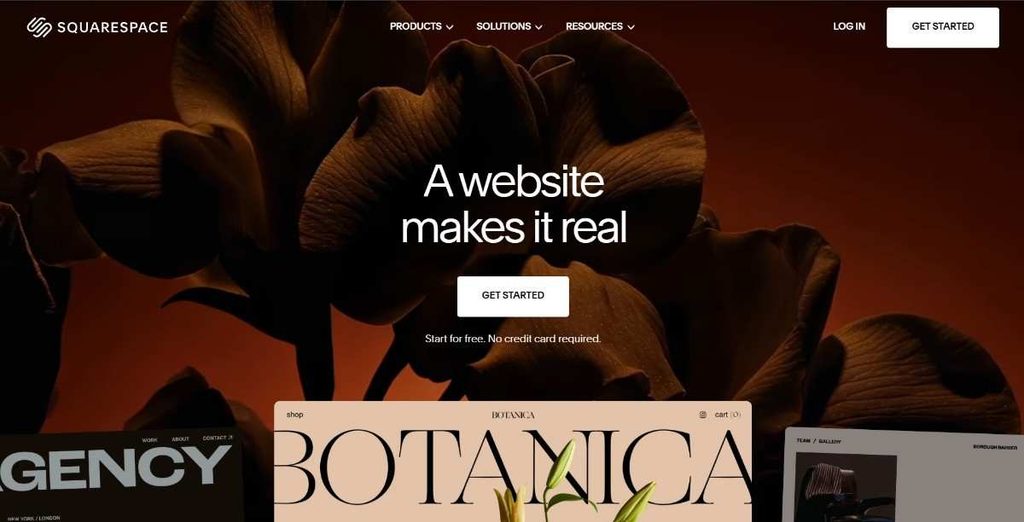
- Platform Overview: Squarespace is a website builder known for modern templates and professional website designs.
- Key Features: Ready-made templates, blogging tools, eCommerce, appointment scheduling and website analytics.
- Ease of Use: Easy-to-use editor with an organized dashboard.
- Customization Options: Customize templates, fonts, colors, images and page layouts.
- SEO and Marketing Tools: SEO settings, email campaigns, social media integrations and analytics.
- Pricing: Offers paid subscription plans and a free trial.
- Customer Support: Provides a Help Center, tutorials and customer support.
- Best For: Photographers, designers, creative professionals and small businesses.
- Pros and Cons: Pros: Beautiful templates, professional layouts and built-in tools. Cons: Less design flexibility than Wix and Webflow.
5. Webflow – Best for Advanced Website Design
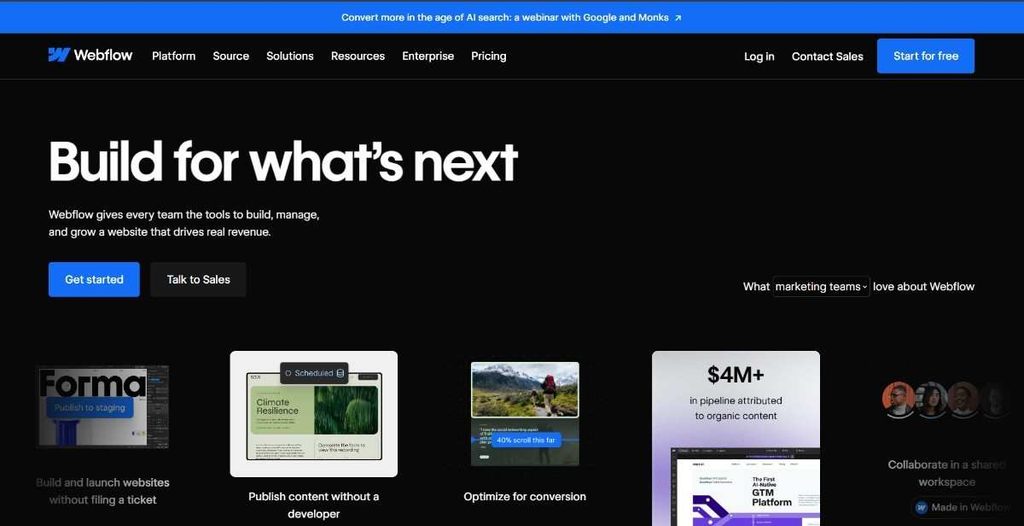
- Platform Overview: Webflow is a visual website development platform that allows users to create professional and customized websites.
- Key Features: Visual editor, CMS, animations, responsive design and custom interactions.
- Ease of Use: Offers advanced design controls, but beginners may need time to understand its editor.
- Customization Options: Customize layouts, fonts, colors, animations, page sections and responsive designs.
- SEO and Marketing Tools: SEO settings, meta titles, meta descriptions, redirects and marketing integrations.
- Pricing: Offers a free Starter plan and multiple paid plans.
- Customer Support: Provides Webflow University, tutorials, help guides and customer support.
- Best For: Web designers, developers, creative agencies and businesses.
- Pros and Cons: Pros: Advanced design flexibility, professional layouts and powerful animations. Cons: Learning curve for beginners and higher costs for some advanced features.
AI Website Builders for Different Needs
Each website builder offers different features for specific website requirements. Here is a quick guide to choosing the right platform.
| Website Requirements | Recommended Builder | Why Choose It? |
| Beginners | Wix | Easy editor and AI website creation |
| Budget-Friendly Websites | Hostinger | Affordable plans and AI tools |
| Online Stores | Shopify | Product management and AI selling tools |
| Professional Designs | Squarespace | Modern templates and design options |
| Advanced Customization | Webflow | Flexible visual design controls |
| Small Businesses | Wix | Website, marketing and business tools |
| Freelancers | Squarespace | Professional portfolio designs |
| eCommerce Startups | Shopify | Online store management features |
AI Website Builder vs Traditional Website Builder
AI website builders use artificial intelligence to assist with website creation, while traditional website builders rely more on manual editing and customization. Wix, Hostinger, Shopify, Squarespace and Webflow combine different levels of AI assistance with website editing tools.
| Factors | AI Website Builder | Traditional Website Builder |
| Website Creation | AI-assisted website generation | Manual setup and editing |
| Content Creation | AI-generated content suggestions | Mostly manual writing |
| Design | AI-generated layouts and suggestions | Templates and manual design |
| Speed | Can reduce initial setup time | May require more setup time |
| Customization | Depends on available editing tools | Depends on platform features |
| Ease of Use | Helpful for beginners | May require more manual work |
| User Control | AI suggestions can be edited | Direct manual control |
Which One Should You Choose?
Choose an AI website builder if you want help creating website layouts, content and designs quickly. Traditional website building may be better if you prefer to control every design and content decision manually. Platforms like Wix, Hostinger and Squarespace offer beginner-friendly options, while Webflow provides more advanced design controls.
How to Choose the Best AI Website Builder
Before choosing an AI website builder, compare its features, pricing and customization options. Consider these important factors:
- AI Features: Check for AI website generation, content writing, image tools and design assistance.
- Ease of Use: Choose a simple editor that matches your technical skills.
- Pricing: Compare subscription costs, free options and additional charges.
- Customization: Check whether you can edit layouts, fonts, colors and website sections.
- SEO Tools: Look for SEO settings, meta descriptions, page titles and content assistance.
- eCommerce Features: If you want to sell products, check payment processing, inventory and order management.
- Mobile Responsiveness: Make sure your website works properly on mobile devices.
- Customer Support: Check available support, tutorials and help guides.
- Scalability: Choose a platform that can support your future business growth.
Limitations of AI Website Builders
Although AI website builders make website creation easier, they also have some limitations. Understanding these points can help you make a better decision.
- Content Quality: AI-generated content may need editing to improve accuracy and readability.
- Design Limitations: AI-generated designs may not always match your exact requirements.
- SEO Work: AI tools cannot guarantee search engine rankings. Proper keyword research and SEO optimization are still necessary.
- Limited Control: Some AI-generated layouts may require additional manual customization.
- Extra Costs: Advanced features, premium templates and integrations may require paid subscriptions.
- Accuracy Issues: AI-generated information can contain errors and should be reviewed before publishing.
- Learning Curve: Advanced platforms like Webflow may take time to understand, even with AI assistance.
Final Tip: AI tools can save time, but always review your website’s content, design, mobile layout and SEO settings before publishing.
Final Thoughts
Choosing the best AI website builder depends on your budget, website goals and required features. Wix is a great option for beginners, while Hostinger is suitable for budget-friendly websites. Shopify is ideal for eCommerce businesses, Squarespace offers professional designs, and Webflow provides advanced customization options. Compare their AI features, pricing, ease of use and limitations before making your final decision. Choose a platform that meets your current needs and supports your future growth.
Frequently Asked Questions (FAQs)
1. What are AI website builders?
AI website builders are platforms that use artificial intelligence to help users create websites. They can generate website layouts, content and design suggestions with less manual work.
2. Which is the best AI website builder in 2026?
Wix is a popular choice for beginners, Hostinger is suitable for budget-friendly websites, Shopify is best for eCommerce, Squarespace is known for professional designs, and Webflow offers advanced customization.
3. Can AI build a complete website?
Yes, AI tools can generate website layouts, pages and content. However, users may still need to edit the design, check the content and configure important website settings before publishing.
4. Are AI website builders free?
Some website builders, such as Wix and Webflow, offer free options with limitations. Other platforms may provide free trials or require paid subscriptions. Check their current plans before choosing.
5. Which AI website builder is best for beginners?
Wix and Hostinger are suitable for beginners because they offer easy-to-use editors and AI-assisted website creation tools.
6. Which AI website builder is best for eCommerce?
Shopify is a strong option for eCommerce businesses. It provides tools for product management, inventory, payments, orders and AI-assisted product content.
7. Can I create a website without coding?
Yes, Wix, Hostinger, Shopify, Squarespace and Webflow allow users to build websites using visual editors and templates without requiring advanced coding skills.
8. Are AI-generated websites good for SEO?
AI-generated websites can be optimized for SEO, but AI alone cannot guarantee higher rankings. You still need quality content, keyword research, proper page titles, meta descriptions and technical SEO.
9. What is the difference between an AI website builder and a traditional website builder?
An AI website builder uses artificial intelligence to assist with website creation, content and design. A traditional builder generally requires more manual setup and customization. Many modern platforms combine both approaches.
10. What should I check before choosing an AI website builder?
Compare AI features, pricing, ease of use, customization options, SEO tools, mobile responsiveness, eCommerce support and customer service. Choose a platform that matches your website requirements and budget.