Choosing the right email marketing software can help businesses connect with customers, promote products and grow their audience. However, with so many tools available, finding the best option can be difficult.
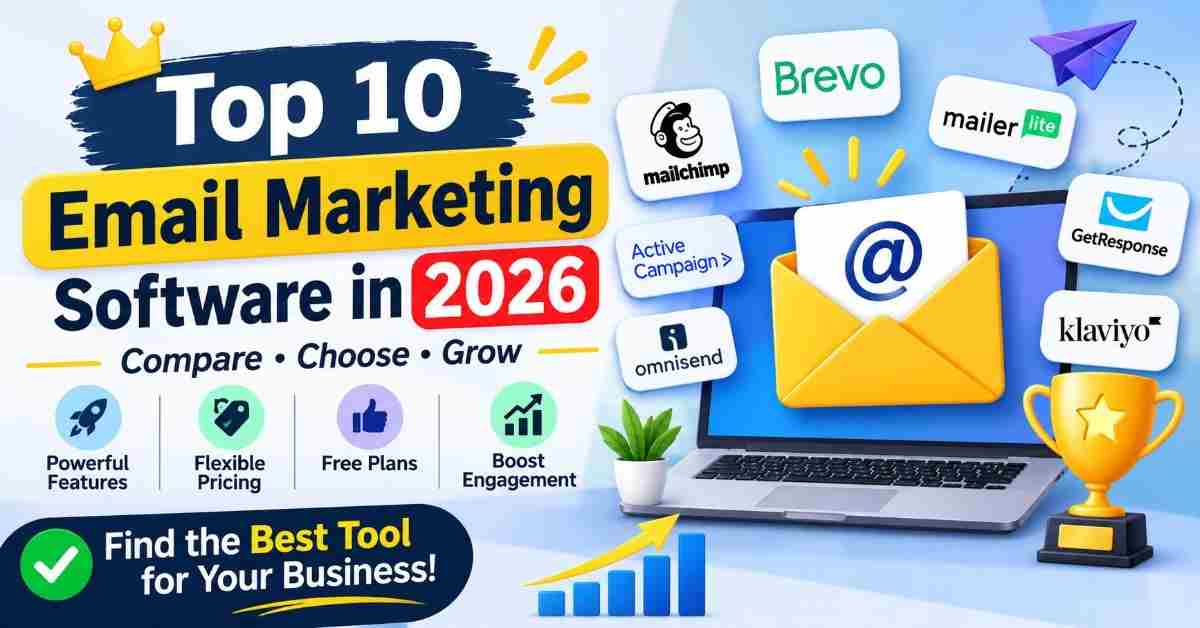
In this guide, we compare the Top 10 Email Marketing Software in 2026, including Brevo, MailerLite, Mailchimp, ActiveCampaign and more. You will learn about their key features, pricing, ease of use and best use cases. We also explain the benefits, free vs paid options, and important features to consider before choosing the right tool for your business.
What Is Email Marketing Software?
Email marketing software is a tool that helps businesses create, send and manage email campaigns. It allows users to send newsletters, promotional offers, product updates and automated emails to subscribers. These tools also help track email performance and manage customer communication.
Benefits of Using Email Marketing Software
- Saves Time: Automates repetitive email tasks and campaigns.
- Better Customer Engagement: Helps businesses stay connected with customers.
- Targeted Marketing: Sends personalized emails to specific audiences.
- Tracks Performance: Provides reports on email opens, clicks and engagement.
- Cost-Effective: Helps promote products and services without expensive advertising.
- Builds Customer Relationships: Keeps subscribers informed through regular updates.
Quick Comparison Table of Top 10 Email Marketing Software
| Software | Best For | Free Plan |
| Brevo | Small Businesses | Yes |
| MailerLite | Beginners | Yes |
| Mailchimp | Growing Businesses | Limited |
| ActiveCampaign | Advanced Automation | No |
| Omnisend | eCommerce | Yes |
| GetResponse | All-in-One Marketing | Yes |
| Klaviyo | Online Stores | Yes |
| Constant Contact | Nonprofits | Trial |
| AWeber | Bloggers | Yes |
| Moosend | Startups | Trial |
Top 10 Email Marketing Software in 2026
1. Brevo
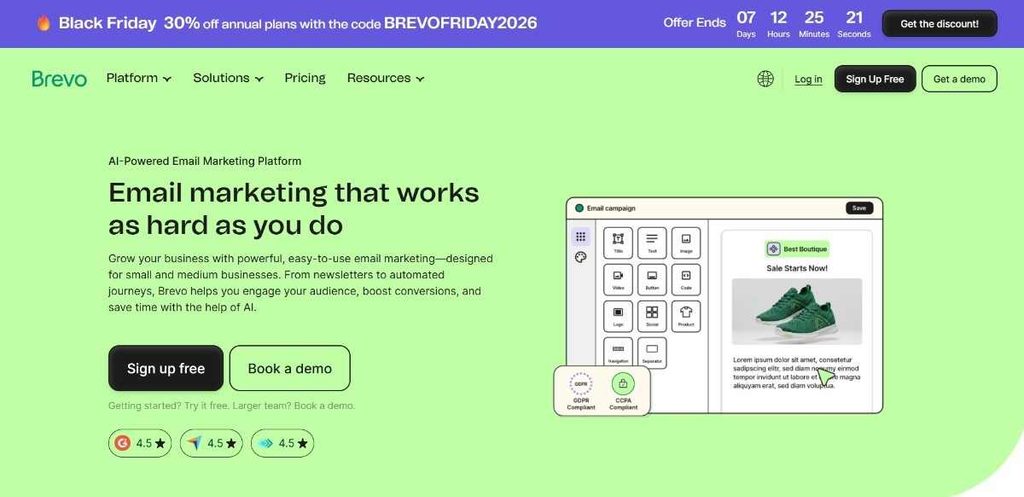
- Overview: Brevo is an email marketing platform for sending campaigns and managing customer communication.
- Key Features: Email campaigns, automation, SMS marketing and contact management.
- Ease of Use: Simple dashboard with easy campaign creation.
- Pricing: Free plan available with paid options.
- Best For: Small businesses and startups.
2. MailerLite
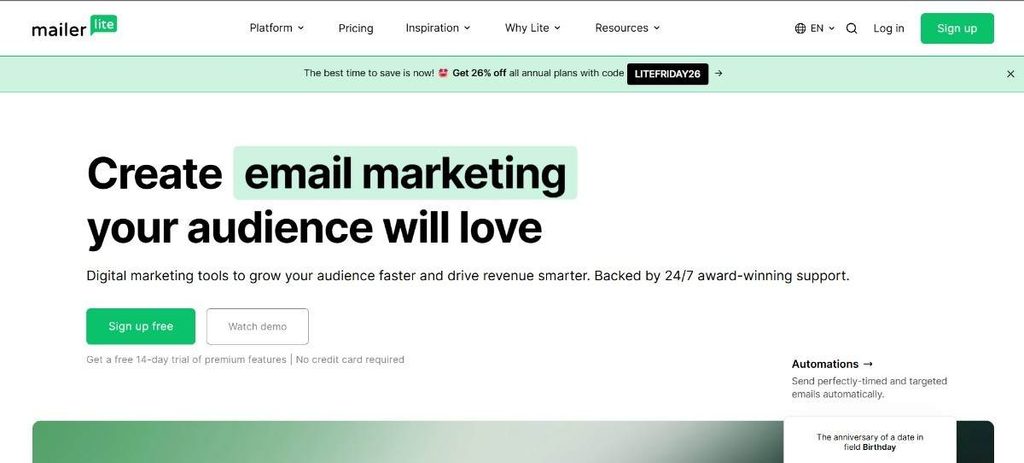
- Overview: MailerLite helps businesses create and send professional email campaigns.
- Key Features: Email automation, landing pages, signup forms and templates.
- Ease of Use: Beginner-friendly with a simple drag-and-drop editor.
- Pricing: Free plan and paid plans available.
- Best For: Bloggers, freelancers and small businesses.
3. Mailchimp
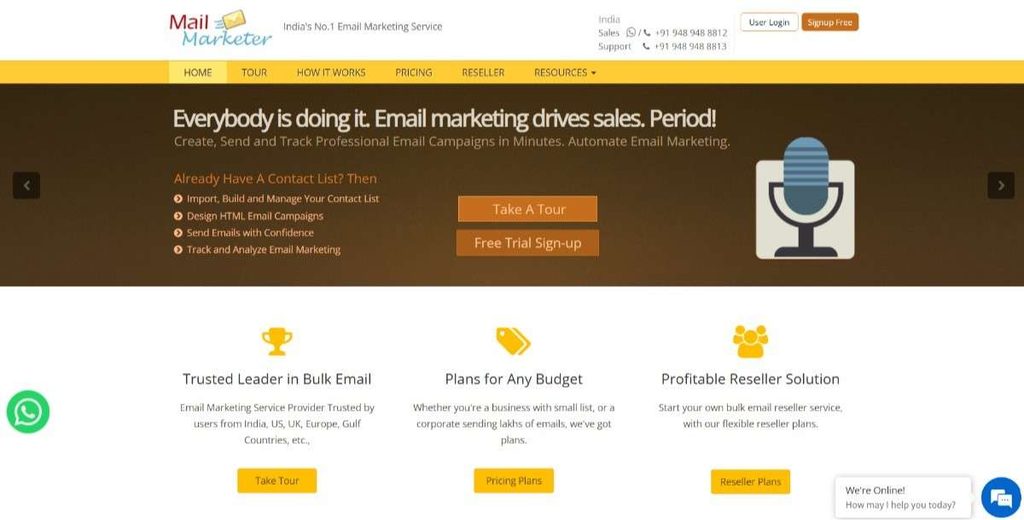
- Overview: Mailchimp is a popular platform for email marketing and audience management.
- Key Features: Email templates, automation, audience segmentation and campaign reports.
- Ease of Use: Easy to use, with many marketing features.
- Pricing: Free access with limited features and paid plans.
- Best For: Small businesses and growing brands.
4. ActiveCampaign
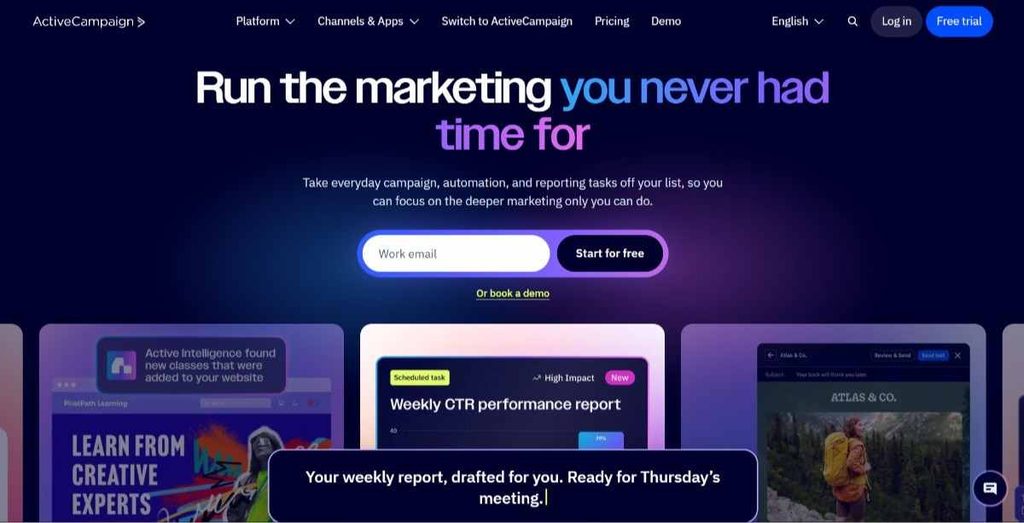
- Overview: ActiveCampaign combines email marketing with customer relationship management (CRM).
- Key Features: Advanced automation, email campaigns, CRM and customer segmentation.
- Ease of Use: Offers powerful tools but takes time to learn.
- Pricing: Paid plans available.
- Best For: Businesses that need advanced automation.
5. Omnisend
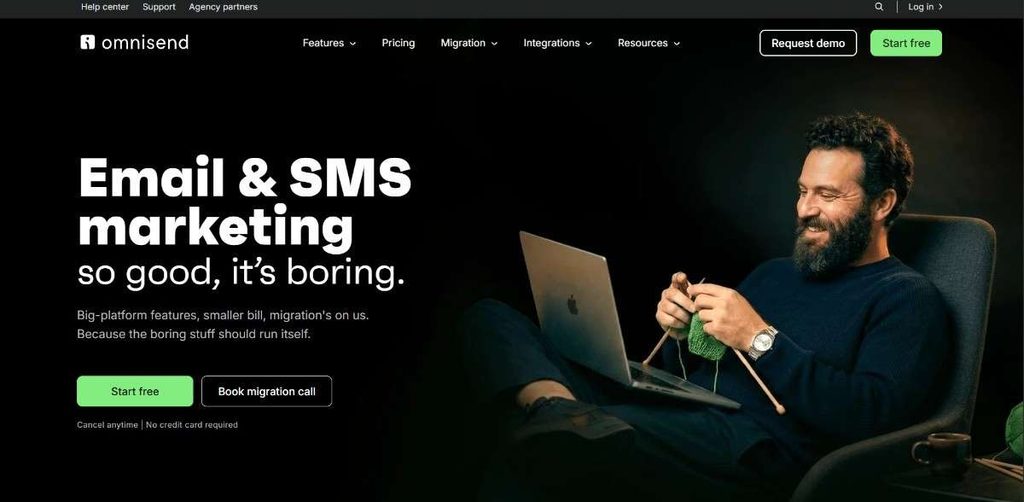
- Overview: Omnisend is an email and SMS marketing platform designed mainly for eCommerce businesses.
- Key Features: Email automation, SMS campaigns, product recommendations and customer segmentation.
- Ease of Use: Easy to create automated marketing campaigns.
- Pricing: Free plan and paid options.
- Best For: Online stores and eCommerce brands.
6. GetResponse
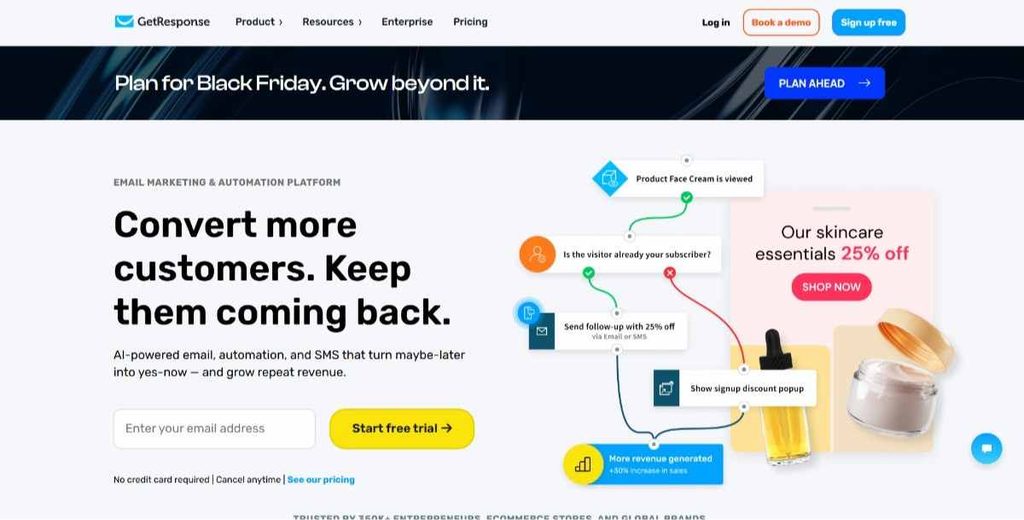
- Overview: GetResponse is an all-in-one marketing platform for email campaigns and lead generation.
- Key Features: Email automation, landing pages, webinars and autoresponders.
- Ease of Use: Beginner-friendly with ready-made templates.
- Pricing: Free plan with paid upgrades.
- Best For: Businesses, marketers and online creators.
7. Klaviyo
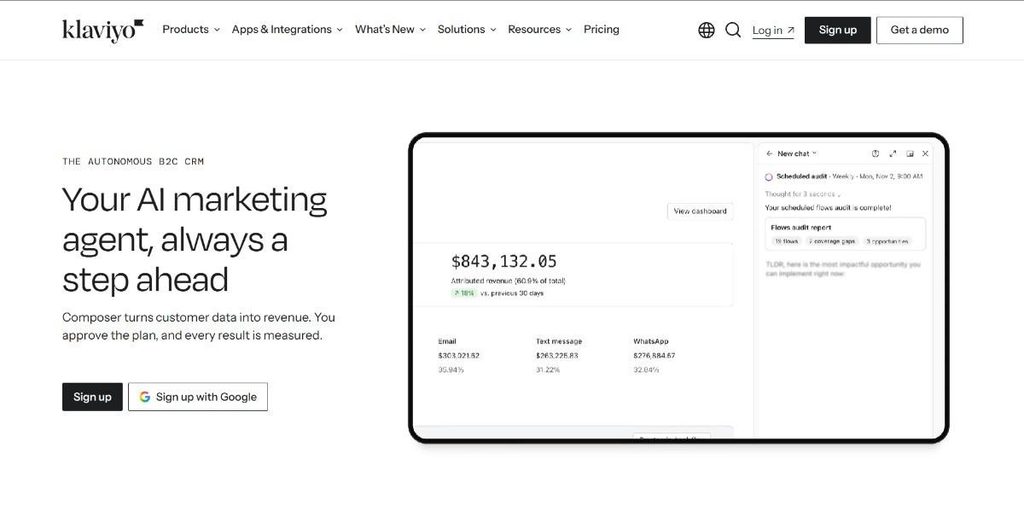
- Overview: Klaviyo helps online stores send personalized email and SMS campaigns.
- Key Features: Customer data, automation, segmentation and sales tracking.
- Ease of Use: Easy to manage once set up, but advanced features need learning.
- Pricing: Free plan and paid plans based on usage.
- Best For: eCommerce businesses and online retailers.
8. Constant Contact
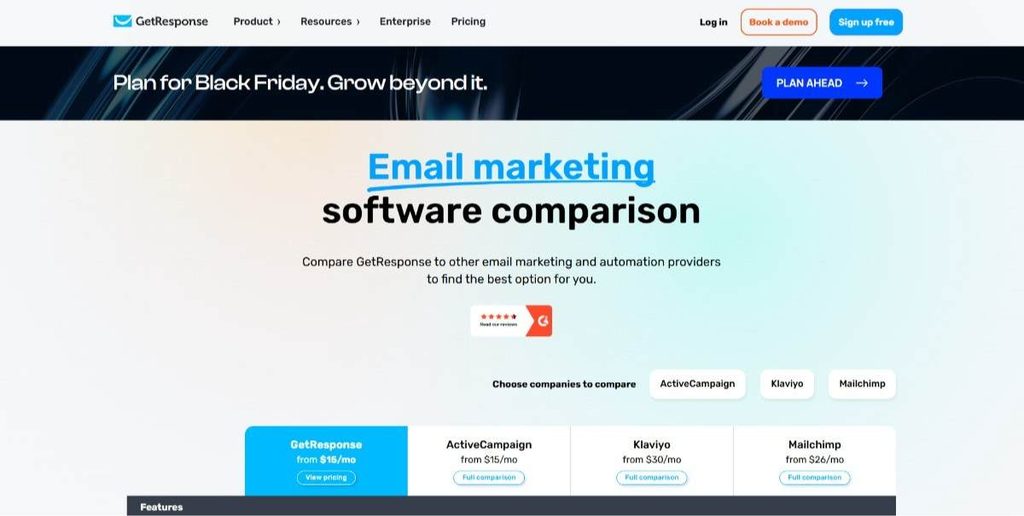
- Overview: Constant Contact helps businesses create email campaigns and manage contacts.
- Key Features: Email templates, event marketing, automation and reporting.
- Ease of Use: Simple interface suitable for beginners.
- Pricing: Paid plans with trial availability depending on location.
- Best For: Small businesses and nonprofit organizations.
9. AWeber
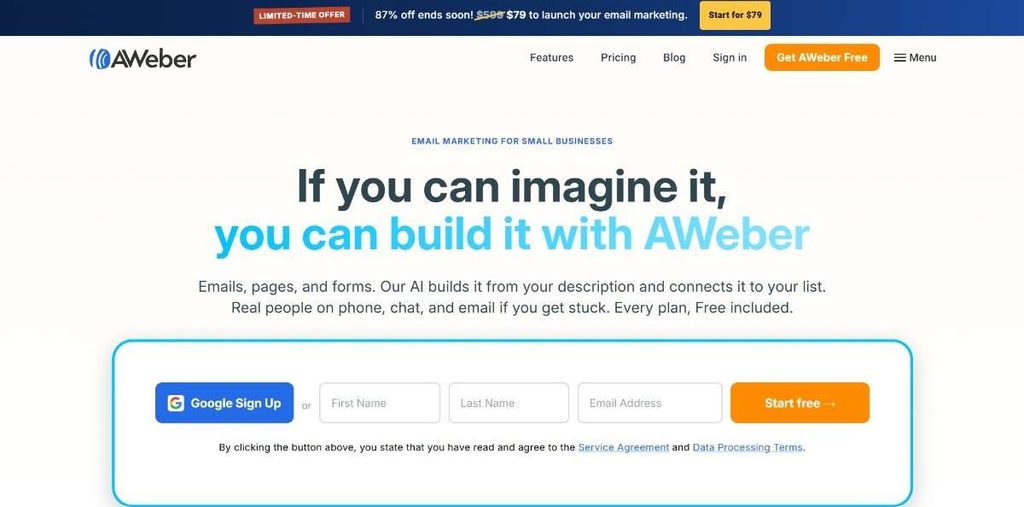
- Overview: AWeber is an email marketing tool for building subscriber lists and sending newsletters.
- Key Features: Email automation, landing pages, signup forms and templates.
- Ease of Use: Easy to use for beginners.
- Pricing: Free plan and paid plans available.
- Best For: Bloggers, freelancers and small businesses.
10. Moosend
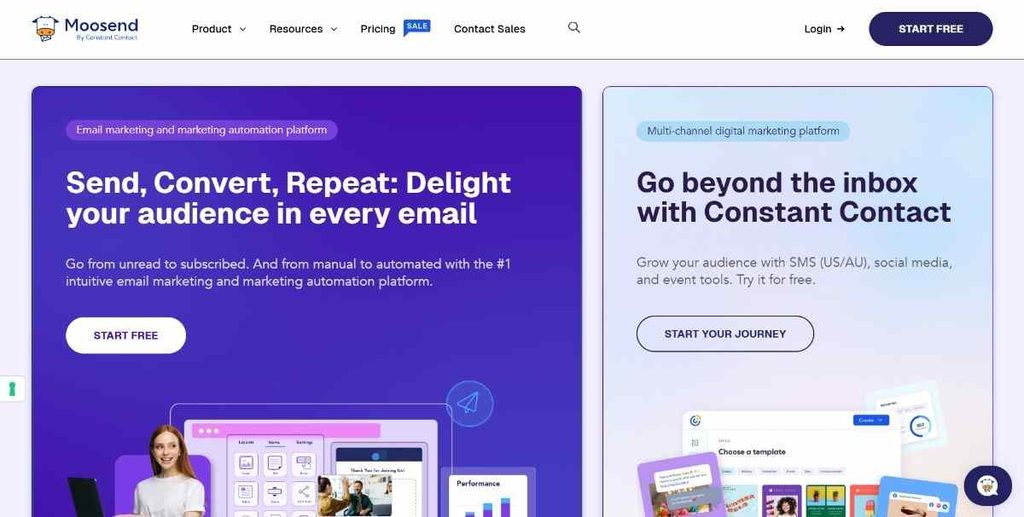
- Overview: Moosend is an email marketing platform that helps businesses automate campaigns.
- Key Features: Email automation, audience segmentation, landing pages and analytics.
- Ease of Use: Simple campaign builder with automation tools.
- Pricing: Paid plans and trial options.
- Best For: Startups and small businesses.
Free vs Paid Email Marketing Software Comparison
| Features | Free Software | Paid Software |
| Email Sending | Limited | Higher limits |
| Email Templates | Basic | Advanced |
| Automation | Limited | Advanced |
| Contact Management | Limited | More options |
| Analytics | Basic | Detailed reports |
| Customer Support | Limited | Better support options |
| Integrations | Basic | More integrations |
Which Should You Choose?
Free email marketing software is suitable for beginners, freelancers and small businesses. Paid software is better for growing businesses that need advanced automation, detailed reports and larger email campaigns.
How to Choose the Right Email Marketing Software?
- Budget: Choose software that fits your budget.
- Business Size: Consider your subscriber count and business needs.
- Features: Check automation, templates and analytics.
- Ease of Use: Select a platform that is easy to manage.
- Integrations: Make sure it connects with your existing tools.
Important Features to Look for in Email Marketing Software
- Email Automation: Automatically sends emails based on customer actions.
- Email Templates: Provides ready-made designs for professional campaigns.
- Contact Management: Helps organize and manage subscriber lists.
- Audience Segmentation: Divides subscribers into groups for targeted campaigns.
- Analytics and Reporting: Tracks opens, clicks and campaign performance.
- A/B Testing: Compares different email versions to find what works best.
- Integrations: Connects with CRM, eCommerce platforms and other marketing tools.
- Mobile-Friendly Design: Ensures emails look good on smartphones and tablets.
Who Should Use Email Marketing Software?
- Small Businesses: To promote products and connect with customers.
- Bloggers: To share new blog posts and newsletters.
- Freelancers: To communicate with clients and generate leads.
- eCommerce Stores: To send offers, order updates and product recommendations.
- Startups: To build an audience and increase brand awareness.
Common Email Marketing Mistakes to Avoid
- Sending Too Many Emails: Avoid sending emails too frequently, as this can annoy subscribers.
- Ignoring Mobile Users: Make sure your emails look good on mobile devices.
- Using Poor Subject Lines: Write clear and attractive subject lines to encourage people to open emails.
- Not Personalizing Emails: Use relevant content based on customer interests.
- Ignoring Analytics: Track open rates, clicks and conversions to improve campaigns.
- Not Cleaning Email Lists: Remove inactive and invalid email addresses regularly.
Final Thoughts
Choosing the right email marketing software depends on your business goals, budget and marketing needs. Brevo and MailerLite are suitable for beginners and small businesses, while ActiveCampaign offers advanced automation. Omnisend and Klaviyo are useful for eCommerce businesses.
Before choosing a platform, compare its pricing, features, free plan, ease of use and automation capabilities. The right tool can help you save time, improve customer engagement and manage successful email campaigns in 2026.
Frequently Asked Questions (FAQs)
1. What Is the Best Email Marketing Software in 2026?
Brevo, Mailchimp, MailerLite, ActiveCampaign and GetResponse are popular email marketing tools. The best option depends on your budget, business size and marketing requirements.
2. Is Email Marketing Software Free?
Yes, many email marketing platforms offer free plans. Brevo, MailerLite, Mailchimp and AWeber provide free options with certain limitations.
3. Which Email Marketing Software Is Best for Beginners?
MailerLite and Brevo are good choices for beginners because they offer simple dashboards, easy campaign creation and useful marketing features.
4. What Is the Difference Between Free and Paid Email Marketing Software?
Free plans usually have limitations on email sending, automation and advanced features. Paid plans offer higher limits, advanced automation, detailed analytics and additional support options.
5. Can I Use Email Marketing Software for Small Businesses?
Yes, email marketing software is useful for small businesses. It helps promote products, share updates, manage subscribers and communicate with customers.
6. What Features Should I Look for in Email Marketing Software?
Look for email automation, ready-made templates, contact management, audience segmentation, analytics, A/B testing and third-party integrations.
7. Can Email Marketing Software Automate Emails?
Yes, most platforms offer automation features. You can automatically send welcome emails, birthday messages, order confirmations and follow-up emails based on customer actions.
8. Which Email Marketing Software Is Best for eCommerce Businesses?
Klaviyo and Omnisend are popular choices for eCommerce businesses. They offer customer segmentation, email and SMS campaigns, product recommendations and automated marketing workflows.
9. How Much Does Email Marketing Software Cost?
Pricing depends on the platform, subscriber count and selected features. Some tools offer free plans, while paid subscriptions can range from affordable starter plans to more expensive advanced packages.
10. Is Email Marketing Still Effective in 2026?
Yes, email marketing remains an effective way to communicate with customers, promote products, share updates and build long-term customer relationships.