

Choosing the right best AI reporting tools can save time, simplify data analysis, and improve business decisions. AI reporting tools help businesses automate reports, track performance, identify trends, and understand important data through AI-powered insights.
In this article, we explore the 10 best AI reporting tools in 2026, comparing their features, AI capabilities, pricing, benefits, and limitations. You will also learn about free vs. paid tools, how to use AI reporting software, key features to consider, common challenges, and tips for choosing the right tool for your business needs.
What Are AI Reporting Tools?
best AI reporting tools are software platforms that use artificial intelligence to collect, analyze, and present business data. They help users create reports, track performance, identify trends, and generate useful insights. These tools reduce manual work and make data analysis easier for businesses.
Why Use AI Reporting Tools in 2026?
best AI reporting tools help businesses save time, automate reports, and understand data more easily. They are useful for improving productivity and making better business decisions.
Key Benefits:
- Save Time: Automate manual reporting tasks.
- Better Insights: Identify trends and performance changes.
- Reduce Errors: Minimize manual reporting mistakes.
- Easy Analysis: Understand complex data through dashboards.
- Track Performance: Monitor sales, traffic, and marketing results.
- Better Decisions: Make informed business decisions using data.
How We Selected the Best AI Reporting Tools
We selected these best AI reporting tools based on important factors that help businesses create reports and analyze data effectively.
- AI Features: AI-powered insights, summaries, and data analysis capabilities.
- Ease of Use: Simple interfaces and beginner-friendly features.
- Reporting & Automation: Automated reports, dashboards, and scheduled updates.
- Pricing: Free plans, paid plans, and overall value for money.
- Integrations: Compatibility with tools like Google Analytics, Excel, and CRM platforms.
- Business Needs: Suitability for freelancers, startups, agencies, and large businesses.
AI Reporting Tools Comparison Table
| AI Reporting Tool | Best For | Key AI Capabilities | Pricing |
| Whatagraph | Marketing agencies | AI-assisted reporting and data analysis | Paid |
| AgencyAnalytics | SEO agencies | AI summaries and data insights | Paid |
| Looker Studio | Freelancers and marketers | Gemini-assisted analytics | Free |
| Tableau | Data analysts | Tableau Agent and AI insights | Paid |
| Microsoft Power BI | Businesses and analysts | Copilot and AI-powered insights | Free & Paid |
| Klipfolio | KPI tracking | AI-assisted insights | Paid |
| IBM Cognos Analytics | Large enterprises | AI Assistant and natural-language queries | Paid |
| SAP Analytics Cloud | Large organizations | Joule AI and predictive analytics | Paid |
| Mode Analytics | Data analysts | SQL-based data analysis | Free & Paid |
| Metabase | Startups and developers | AI-assisted queries and SQL generation | Free & Paid |
10 Best AI Reporting Tools in 2026: Detailed Reviews
1. Whatagraph
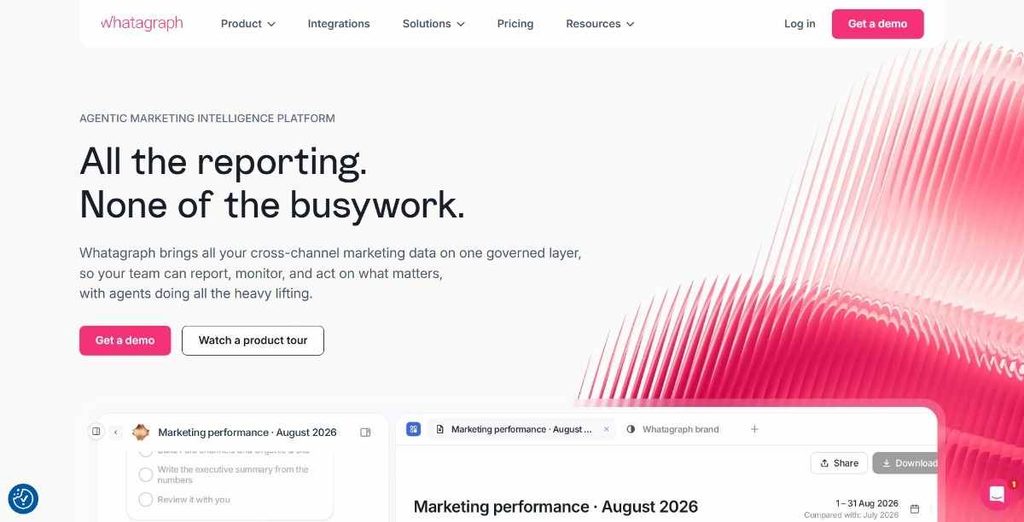
- Overview: Marketing reporting platform for collecting data and creating client reports.
- Key AI Capabilities: AI-assisted report creation and data analysis.
- Key Features: Marketing dashboards, report templates and data integrations.
- Best For: Marketing agencies and marketing teams.
- Ease of Use: Easy-to-use interface with ready-made templates.
- Automation & Reporting: Automated reports and scheduled delivery.
- Pricing: Paid plans; custom pricing options available.
- Limitations: Can be expensive for small businesses.
2. Metabase
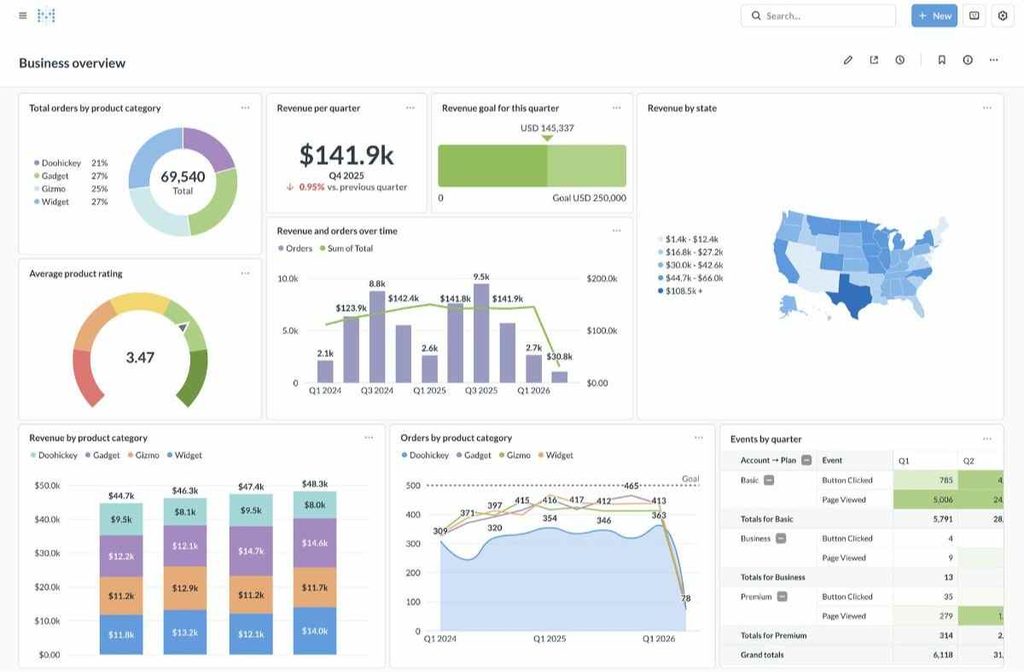
- Overview: Business intelligence platform for creating reports and exploring database information.
- Key AI Capabilities: Metabot supports AI-assisted questions and SQL generation in supported configurations.
- Key Features: Interactive dashboards, database connections and visual reports.
- Best For: Startups, developers and small businesses.
- Ease of Use: Simple interface with a visual query builder.
- Automation & Reporting: Scheduled reports and dashboard subscriptions.
- Pricing: Free open-source version and paid plans.
- Limitations: Advanced features and AI capabilities may require paid plans.
3. AgencyAnalytics
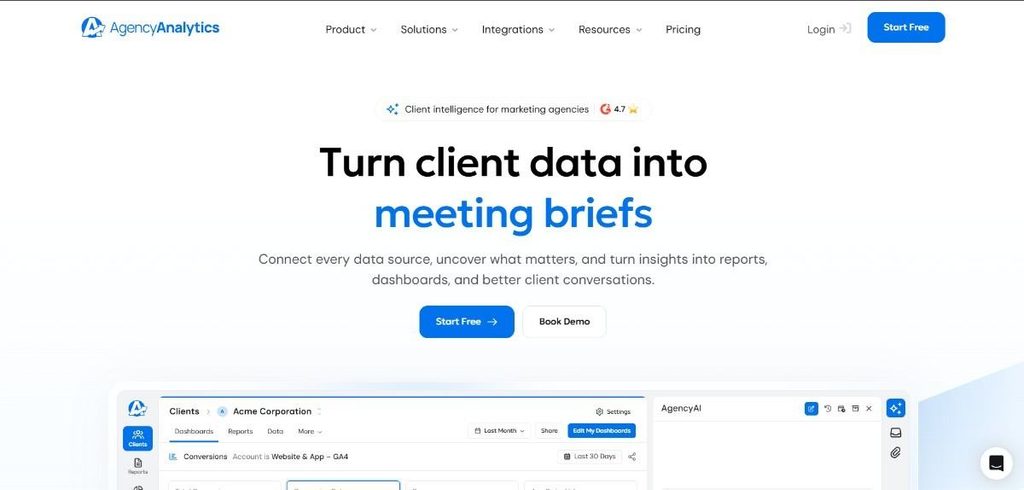
- Overview: Helps agencies track SEO, PPC and social media performance.
- Key AI Capabilities: AI summaries, data insights and anomaly detection.
- Key Features: SEO dashboards, client reports and white-label reporting.
- Best For: SEO agencies and freelancers.
- Ease of Use: Simple dashboard and reporting templates.
- Automation & Reporting: Scheduled client reports and automated updates.
- Pricing: Paid plans with a free trial.
- Limitations: Mainly focused on marketing analytics.
4. Mode Analytics

- Overview: Data analytics platform combining SQL, Python and visual reporting.
- Key AI Capabilities: Its core strength is SQL-based analysis; AI assistance depends on connected tools.
- Key Features: SQL editor, charts and collaborative reports.
- Best For: Data analysts and technical teams.
- Ease of Use: Best suited to users with SQL knowledge.
- Automation & Reporting: Reusable reports and scheduled reporting.
- Pricing: Check current commercial availability and pricing.
- Limitations: Less suitable for beginners seeking ready-made AI reports.
5. Looker Studio (Google Data Studio)
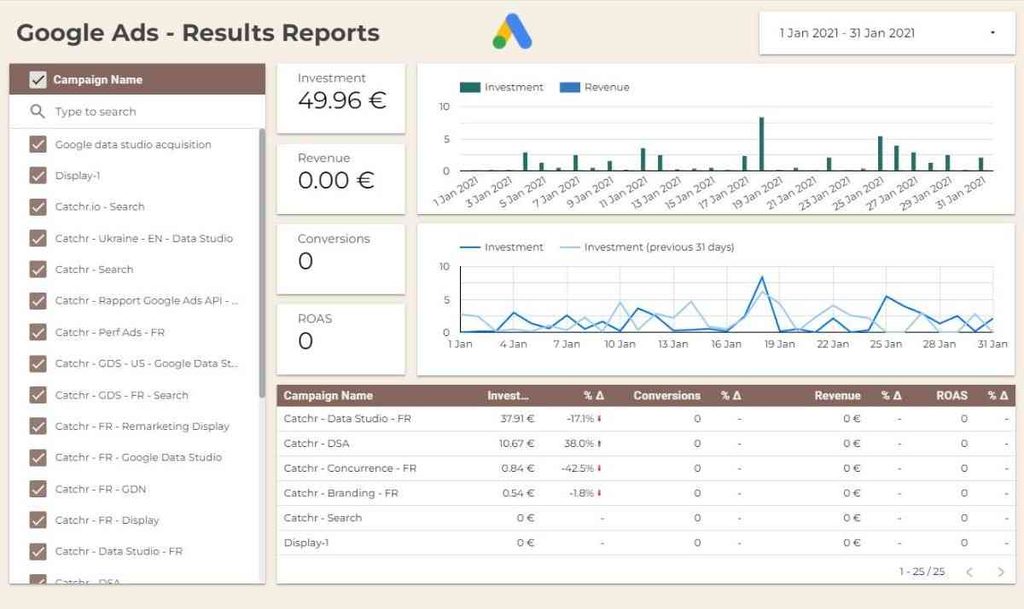
- Overview: Google’s platform for creating interactive reports and dashboards.
- Key AI Capabilities: Gemini-assisted analytics and conversational data exploration in supported configurations.
- Key Features: Custom dashboards, charts and Google integrations.
- Best For: Freelancers, marketers and small businesses.
- Ease of Use: Easy drag-and-drop report builder.
- Automation & Reporting: Report sharing and scheduled delivery.
- Pricing: Standard version is free.
- Limitations: Advanced reporting may require external connectors.
6. SAP Analytics Cloud
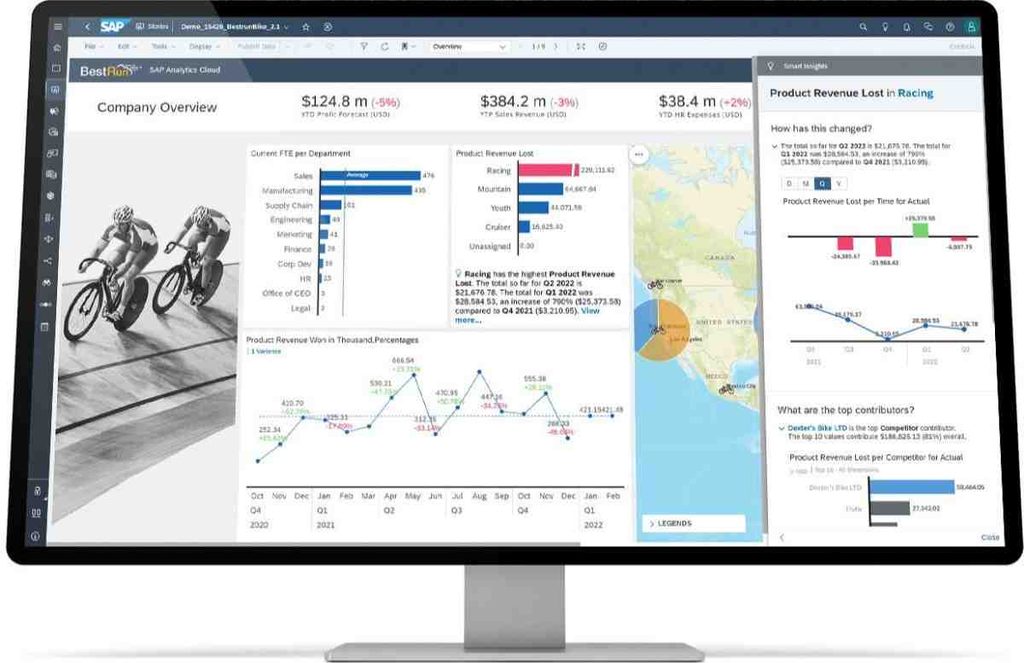
- Overview: Business intelligence and planning platform for analyzing company data.
- Key AI Capabilities: SAP Joule, predictive analytics and AI assistance.
- Key Features: Financial planning, dashboards and data analysis.
- Best For: Enterprises and finance departments.
- Ease of Use: Requires some SAP knowledge.
- Automation & Reporting: Automated reports and planning workflows.
- Pricing: Custom subscription pricing.
- Limitations: May be expensive for smaller businesses.
7. Tableau
- Overview: Business intelligence software for analyzing data and creating visual reports.
- Key AI Capabilities: Tableau Agent and AI-powered insights.
- Key Features: Interactive dashboards, charts and data visualization.
- Best For: Data analysts and large businesses.
- Ease of Use: Basic reporting is easy; advanced features require practice.
- Automation & Reporting: Scheduled reports, alerts and data refreshes.
- Pricing: Paid plans with different user options.
- Limitations: Can be expensive and requires training.
8. IBM Cognos Analytics
- Overview: Enterprise reporting platform for analyzing business data.
- Key AI Capabilities: AI Assistant, natural-language queries and automated insights.
- Key Features: Business reports, dashboards and data visualization.
- Best For: Large organizations and finance teams.
- Ease of Use: Advanced features require training.
- Automation & Reporting: Scheduled reports and automatic distribution.
- Pricing: Paid subscription plans.
- Limitations: Can be complex for beginners.
9. Microsoft Power BI
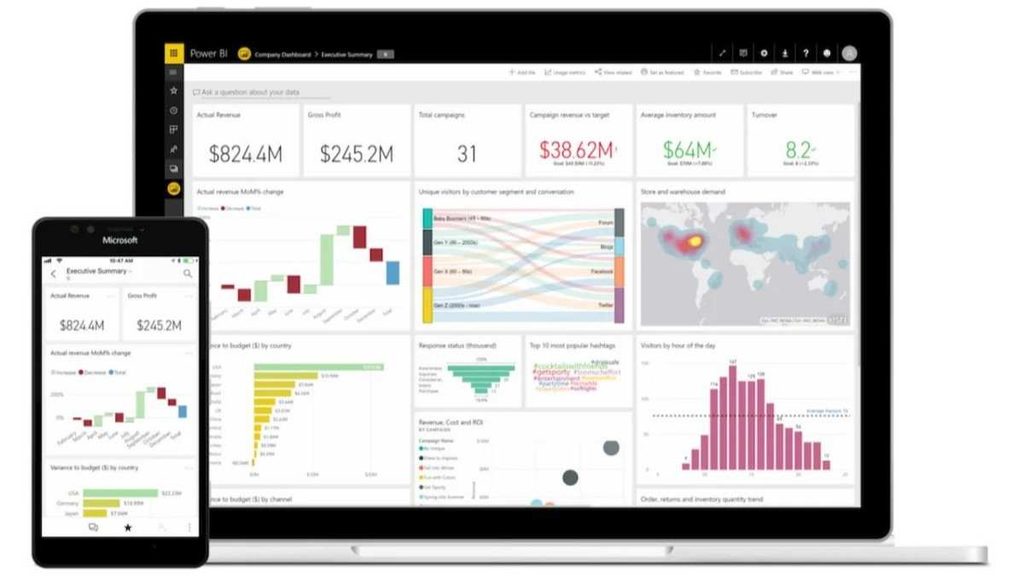
- Overview: Microsoft’s business intelligence tool for analyzing data and building reports.
- Key AI Capabilities: Copilot, AI summaries and natural-language queries.
- Key Features: Interactive dashboards, data modeling and Excel integration.
- Best For: Businesses, finance teams and analysts.
- Ease of Use: Easy for basic reports; advanced features need technical skills.
- Automation & Reporting: Scheduled refreshes, alerts and report sharing.
- Pricing: Free and paid plans available.
- Limitations: Some AI features require additional licensing.
10. Klipfolio
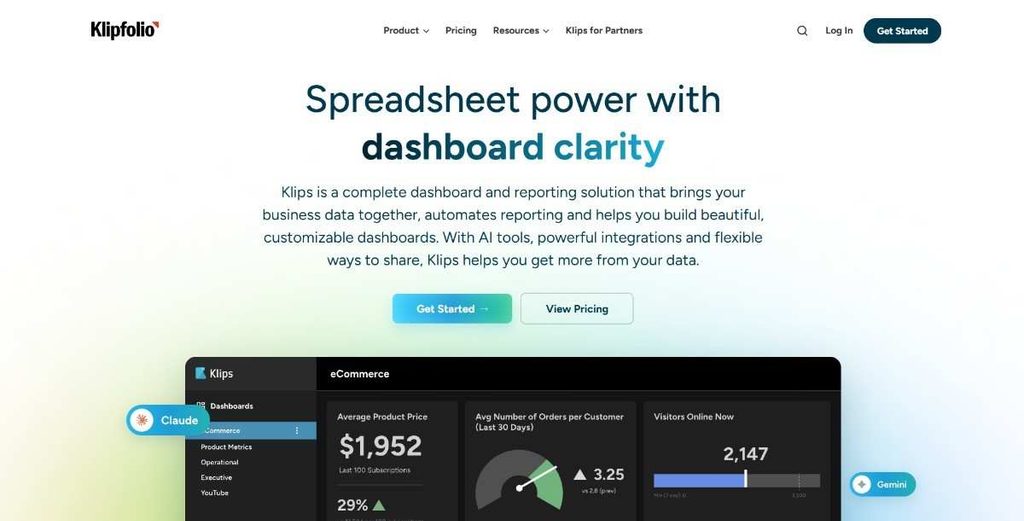
- Overview: Dashboard platform for tracking business performance and KPIs.
- Key AI Capabilities: AI assistance for dashboard questions and visualizations.
- Key Features: KPI dashboards, data integrations and charts.
- Best For: Small businesses and marketing teams.
- Ease of Use: Simple dashboard builder.
- Automation & Reporting: Automated data refreshes and scheduled reports.
- Pricing: Paid plans available.
- Limitations: Advanced customization may require technical knowledge.
Free vs. Paid AI Reporting Tools
Free and paid AI reporting tools offer different features depending on business requirements.
| Free AI Reporting Tools | Paid AI Reporting Tools |
| Basic reporting features | Advanced reporting features |
| Limited AI capabilities | More AI-powered insights |
| Basic dashboards | Custom dashboards |
| Limited integrations | Multiple integrations |
| Suitable for beginners | Suitable for growing businesses |
| Limited support | Additional customer support |
Which Should You Choose?
- Free Tools: Best for beginners, freelancers, and small businesses with basic reporting needs.
- Paid Tools: Best for agencies and businesses that need advanced analytics, automation, and multiple integrations.
How to Use AI Reporting Tools
Follow these simple steps to create reports using AI reporting tools:
- Connect Data Sources: Connect Google Analytics, Excel, CRM, or other platforms.
- Choose a Template: Select a ready-made report template or create a custom dashboard.
- Select Metrics: Choose the data you want to track, such as sales, traffic, or leads.
- Analyze Data: Use AI features to identify trends and generate insights.
- Create Reports: Generate reports with charts, graphs, and summaries.
- Share Reports: Share reports with your team or schedule automatic delivery.
How to Choose the Best AI Reporting Tool?
Consider these important factors before choosing an AI reporting tool:
- AI Features: Check AI insights, summaries, and data analysis capabilities.
- Pricing: Choose a tool that fits your budget.
- Ease of Use: Look for a simple and beginner-friendly interface.
- Integrations: Check whether it connects with your existing platforms.
- Automation: Look for scheduled reports and automatic updates.
- Security: Make sure your business data is protected.
Common Challenges of AI Reporting Tools
Although AI reporting tools make reporting easier, users may face some challenges:
- Data Accuracy: Incorrect data can produce misleading reports.
- Learning Curve: Advanced features may take time to understand.
- High Pricing: Some tools can be expensive for small businesses.
- Integration Issues: Certain platforms may not support all data sources.
- Data Privacy: Business information requires proper security.
- AI Limitations: AI-generated insights may need manual verification.
Final Thoughts
best AI reporting tools help businesses automate reports, analyze data, track performance, and make better decisions. Tools like Whatagraph, AgencyAnalytics, Looker Studio, Tableau, and Microsoft Power BI offer different features for marketing teams, freelancers, startups, and large businesses.
Before choosing a tool, compare its AI capabilities, pricing, ease of use, integrations, and automation features. Consider your business needs and budget to find the right AI reporting tool that saves time and makes data analysis easier.
Frequently Asked Questions (FAQs)
1. What are the best AI reporting tools in 2026?
Some of the best AI reporting tools in 2026 include Whatagraph, AgencyAnalytics, Looker Studio, Tableau, Microsoft Power BI, Klipfolio, and Metabase. The right choice depends on your business needs and budget.
2. Which AI reporting tool is best for small businesses?
Zoho Analytics, Looker Studio, and Metabase are useful options for small businesses. They help create reports, track performance, and analyze business data.
3. Are there any free AI reporting tools?
Yes. Looker Studio and Metabase offer free options, while Microsoft Power BI also provides a free version with certain limitations.
4. How do AI reporting tools work?
AI reporting tools collect data from different sources, analyze information, identify trends, and present results through dashboards, charts, and automated reports.
5. Can AI reporting tools generate reports automatically?
Yes. Many AI reporting tools support automated report creation, scheduled updates, and report sharing, helping businesses reduce manual work.
6. What features should I look for in AI reporting software?
Look for AI-powered insights, automated reporting, custom dashboards, data integrations, natural-language queries, data visualization, and security features.
7. Are AI reporting tools suitable for beginners?
Yes. Tools like Looker Studio, Metabase, and Whatagraph offer user-friendly reporting features that help beginners create dashboards and understand business data.
8. Can AI reporting tools connect with Google Analytics and Excel?
Yes. Many AI reporting tools support integrations with Google Analytics, Excel, CRM systems, databases, and marketing platforms. Available integrations depend on the software.
9. What is the difference between AI reporting tools and traditional reporting tools?
Traditional reporting tools mainly display and organize data, while AI reporting tools can also analyze information, identify trends, generate summaries, and provide AI-powered insights.
10. How do I choose the right AI reporting tool for my business?
Compare pricing, AI capabilities, ease of use, automation, integrations, and security. Choose a tool that matches your reporting needs and business budget.