
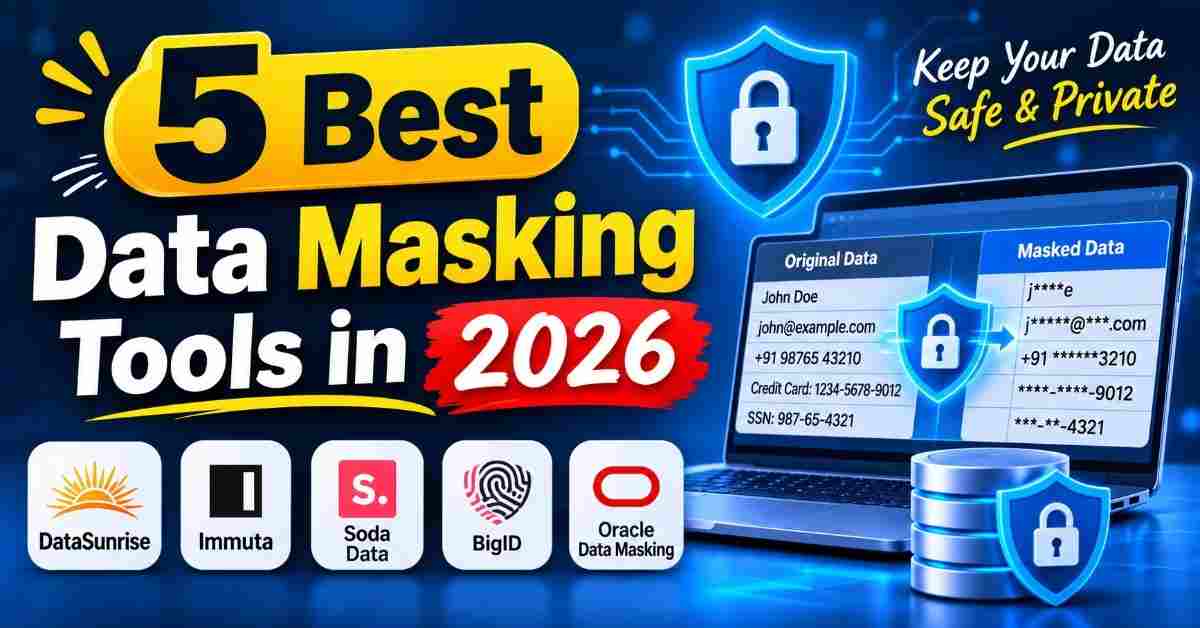
Protecting sensitive business information is important for every organization. best data masking tools help businesses secure confidential information, such as customer details, financial records, and personal data, while keeping it useful for testing and development.
In this article, we explore the 5 best data masking tools in 2026: Informatica, IBM InfoSphere Optim, K2View, Oracle DMS, and DATPROF Privacy. We compare their key features, data masking capabilities, supported databases, benefits, pros and cons, and pricing to help you choose the right solution for your business.
What Are Data Masking Tools?
Data masking tools protect sensitive information by replacing real data with fictional or modified values. They help businesses secure personal details, financial records, customer information, and other confidential data.
These tools are commonly used in software development, testing, and database management. They allow teams to work with realistic data without exposing original sensitive information.
Why Are Data Masking Tools Important?
Data masking tools help businesses protect confidential information and reduce the risk of data exposure.
Key reasons include:
- Data Security: Protects sensitive information from unauthorized access.
- Privacy Protection: Helps safeguard personal and customer information.
- Compliance Support: Supports data privacy requirements and security policies.
- Safe Testing: Allows developers to use masked data in testing environments.
- Reduced Risk: Minimizes the exposure of confidential business records.
Key Features to Look for in Data Masking Tools
Before choosing a data masking solution, consider these important features:
- Automated Data Discovery: Identifies sensitive information across databases.
- Static Data Masking: Replaces original data with fictional values.
- Dynamic Data Masking: Hides sensitive information when users access it.
- Data Subsetting: Creates smaller datasets for testing and development.
- Synthetic Data Generation: Creates realistic artificial data.
- Referential Integrity: Maintains relationships between connected data.
- Database Compatibility: Supports different databases and platforms.
- Access Control: Restricts sensitive data visibility based on user permissions.
Data Masking Tools Comparison Table
Choosing the right data masking tool depends on features, database compatibility, security requirements, and pricing. Here is a quick comparison of five popular data masking tools in 2026.
| Data Masking Tool | Key Features | Best For | Pricing |
|---|---|---|---|
| Informatica | Automated discovery, static and dynamic masking | Large enterprises | Custom |
| IBM InfoSphere Optim | Context-aware masking, data integrity | Complex databases | Custom |
| K2View | Synthetic data, data subsetting, automated masking | Multi-system enterprises | Custom |
| Oracle DMS | Data discovery, masking, subsetting | Oracle users | Commercial |
| DATPROF Privacy | Automated masking, synthetic data | Development teams | Custom |
10 Best Data Masking Tools in 2026: Detailed Overview
1. Informatica
Brand Overview: Informatica provides enterprise data masking solutions to protect sensitive information across databases, applications, and cloud environments.
Key Features:
- Automated data discovery
- Static and dynamic masking
- Centralized masking policies
- Data integrity protection
Data Masking Capabilities: Supports masking, substitution, anonymization, and role-based protection.
Supported Databases: Oracle, Microsoft SQL Server, and other enterprise data sources.
Best For: Large businesses managing multiple data systems.
Benefits: Centralized security and safer testing environments.
Pros: Flexible policies, automation, enterprise integration.
Cons: Requires technical expertise.
Pricing: Custom pricing.
2. IBM InfoSphere Optim
Brand Overview: IBM InfoSphere Optim protects sensitive information while providing realistic data for software testing and development.
Key Features:
- Context-aware masking
- Referential integrity
- Data discovery
- Automated masking workflows
Data Masking Capabilities: Replaces sensitive values with realistic fictional data while maintaining data relationships.
Supported Databases: IBM Db2, Oracle, SQL Server, PostgreSQL, Informix, and Teradata.
Best For: Large enterprises with complex databases.
Benefits: Protects personal information and maintains data consistency.
Pros: Strong enterprise features and flexible integration.
Cons: Complex licensing and implementation.
Pricing: Custom enterprise pricing.
3. K2View
Brand Overview: K2View provides data masking and test data management solutions for businesses using multiple applications and databases.
Key Features:
- Static and dynamic masking
- Sensitive data discovery
- Data subsetting
- Synthetic data generation
Data Masking Capabilities: Masks sensitive information while maintaining relationships across connected systems.
Supported Databases: Relational, NoSQL, mainframes, files, and cloud data stores.
Best For: Enterprises managing multiple applications and databases.
Benefits: Simplifies test data management and improves testing efficiency.
Pros: Automation, cross-system masking, flexible provisioning.
Cons: May require technical resources.
Pricing: Custom pricing.
4. Oracle DMS
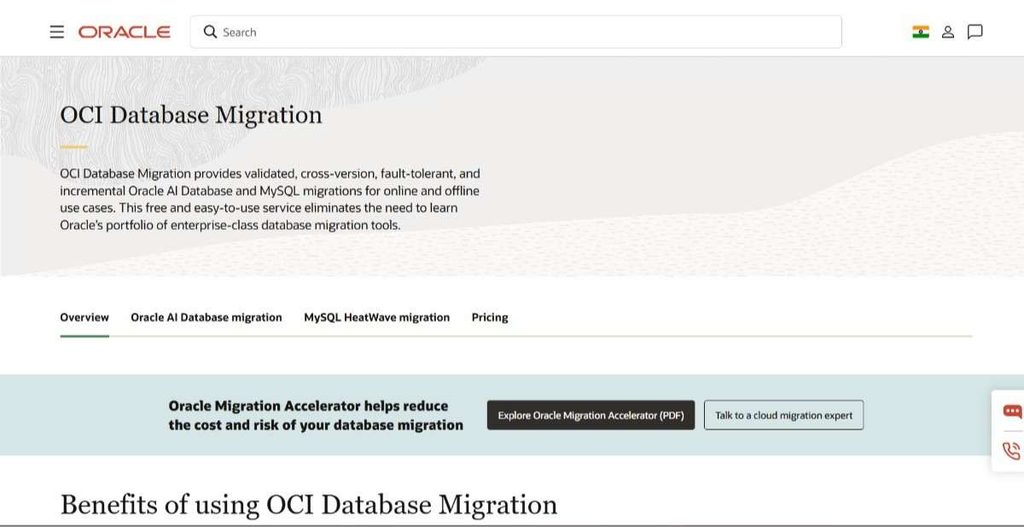
Brand Overview: Oracle DMS helps businesses protect sensitive database information used in development and testing environments.
Key Features:
- Sensitive data discovery
- Data masking policies
- Data subsetting
- Referential integrity
- Flexible masking workflows
Data Masking Capabilities: Replaces confidential information with realistic anonymized values and creates smaller database copies.
Supported Databases: Primarily Oracle Database, with additional support through Oracle Database Gateways.
Best For: Businesses using Oracle databases.
Benefits: Reduces data exposure and supports secure testing.
Pros: Oracle integration, data discovery, subsetting.
Cons: Best suited to Oracle-focused environments.
Pricing: Commercial licensing; contact Oracle for a quote.
5. DATPROF Privacy
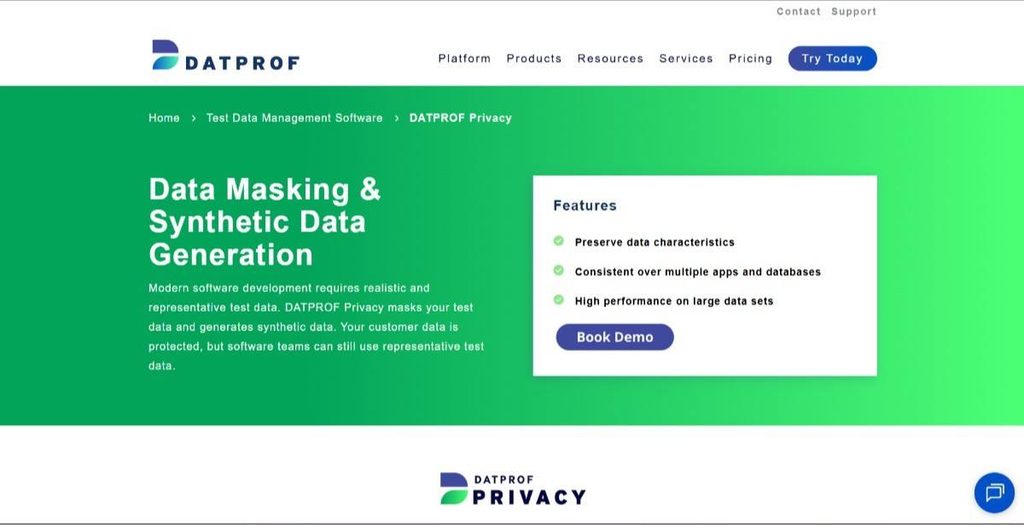
Brand Overview: DATPROF Privacy protects sensitive information and generates realistic test data for software development.
Key Features:
- Automated data masking
- Synthetic data generation
- Consistent masking
- Large dataset processing
- Privacy protection
Data Masking Capabilities: Masks confidential information and generates synthetic values while maintaining important data characteristics.
Supported Databases: Multiple database environments, depending on product versions and connectors.
Best For: Development teams needing secure and realistic test data.
Benefits: Protects customer information and improves test data quality.
Pros: Synthetic data generation and consistent masking.
Cons: Advanced requirements may need additional configuration.
Pricing: Custom quotation.
How to Choose the Best Data Masking Tool?
Consider these important factors before selecting a data masking solution:
- Security Features: Choose a tool with strong masking and data protection capabilities.
- Database Support: Check compatibility with your existing databases.
- Ease of Use: Select software that is easy to configure and manage.
- Automation: Look for automated data discovery and masking workflows.
- Data Integrity: Ensure the tool maintains relationships between connected records.
- Pricing: Compare licensing costs with your business budget.
- Scalability: Choose a solution that can handle growing data requirements.
Which Data Masking Tool Is Best for Your Business?
Different tools serve different business needs. Here are some quick recommendations:
| Tool | Best Choice For |
|---|---|
| Informatica | Large enterprises and centralized data protection |
| IBM InfoSphere Optim | Complex database environments |
| K2View | Multiple applications and data sources |
| Oracle DMS | Oracle database users |
| DATPROF Privacy | Secure software testing and development |
Quick Recommendation: Informatica is worth considering for enterprise-wide data protection, K2View for multiple data sources, and DATPROF Privacy for realistic test data generation.
What Are the Benefits of Using Data Masking Tools?
Data masking tools help businesses protect sensitive information and improve data security.
- Data Protection: Keeps confidential information safe.
- Privacy Compliance: Helps meet data privacy requirements.
- Reduced Risk: Minimizes sensitive data exposure.
- Safe Testing: Provides secure data for software development.
- Better Security: Limits unauthorized access to confidential information.
How Does Data Masking Work?
Data masking works by replacing original sensitive information with fictional or modified values.
The basic process includes:
- Data Discovery: Identifies sensitive information in databases.
- Data Selection: Selects the information that needs protection.
- Masking: Replaces real values with fictional or modified data.
- Data Validation: Checks data format and relationships.
- Secure Usage: Allows teams to use masked data for testing and development.
How to Choose the Right Data Masking Tool for Your Business?
Choosing the right data masking tool depends on your business needs and security requirements.
- Identify Your Needs: Understand which sensitive data needs protection.
- Check Database Support: Ensure compatibility with your databases.
- Compare Features: Look for automation, data discovery, and masking options.
- Consider Ease of Use: Choose software that is easy to manage.
- Review Pricing: Select a tool that fits your budget.
- Check Scalability: Make sure it can support future business growth.
Final Thoughts
best data masking tools help businesses protect sensitive information while supporting software development, testing, and database management. Informatica, IBM InfoSphere Optim, K2View, Oracle DMS, and DATPROF Privacy offer different capabilities for different business needs.
Compare their features, database support, and pricing to choose the right solution for your organization.
Frequently Asked Questions (FAQs)
1. What are data masking tools?
Data masking tools replace sensitive information with fictional or modified values to protect confidential data.
2. Why do businesses use data masking tools?
Businesses use them to protect customer information, reduce data exposure, and create safer testing environments.
3. Which is the best data masking tool in 2026?
Informatica, IBM InfoSphere Optim, K2View, Oracle DMS, and DATPROF Privacy are options worth comparing based on business requirements.
4. What is the difference between static and dynamic data masking?
Static masking permanently replaces sensitive values in a dataset, while dynamic masking hides sensitive information when users access it.
5. Do data masking tools support multiple databases?
Yes. Many tools support multiple databases, but compatibility depends on the product, version, and available connectors.
6. Are data masking tools expensive?
Pricing varies by provider, features, licensing, and business requirements. Many enterprise solutions offer custom pricing.
7. Can small businesses use data masking tools?
Yes. Small businesses can use suitable data masking solutions to protect customer information and secure testing data.
8. Is data masking the same as data encryption?
No. Data masking replaces or hides sensitive values, while encryption converts data into an encoded format that requires a key to read.
9. Can data masking tools protect personal information (PII)?
Yes. They can mask personal information such as names, email addresses, phone numbers, and financial details to reduce the risk of data exposure.
10. What should I consider when choosing a data masking tool?
Consider database compatibility, masking capabilities, automation, security features, data consistency, pricing, and technical support before selecting a tool.